CURATION LABS · AN INVESTIGATION
Capitalism as Architecture. Capital remembers. Markets compute.
What capital is, what a market is, and where knowledge fits.
Remy Kim · Curation Labs · about 35 minutes
OPEN · TAKE OUT YOUR PHONE
Where is the money in your account right now?
$12,482.17
Not in a vault with your name on it.
10.2%
of US money is notes and coins held by the public. The rest is balances like this one.
You are looking at a number. So where is the money?
Federal Reserve H.6, via FRED (CURRSL, M2SL)
OPEN · COLUMBUS, OHIO · 1917
In 1917 a bank clerk wrote Bert Sayer's money as rows of numbers.
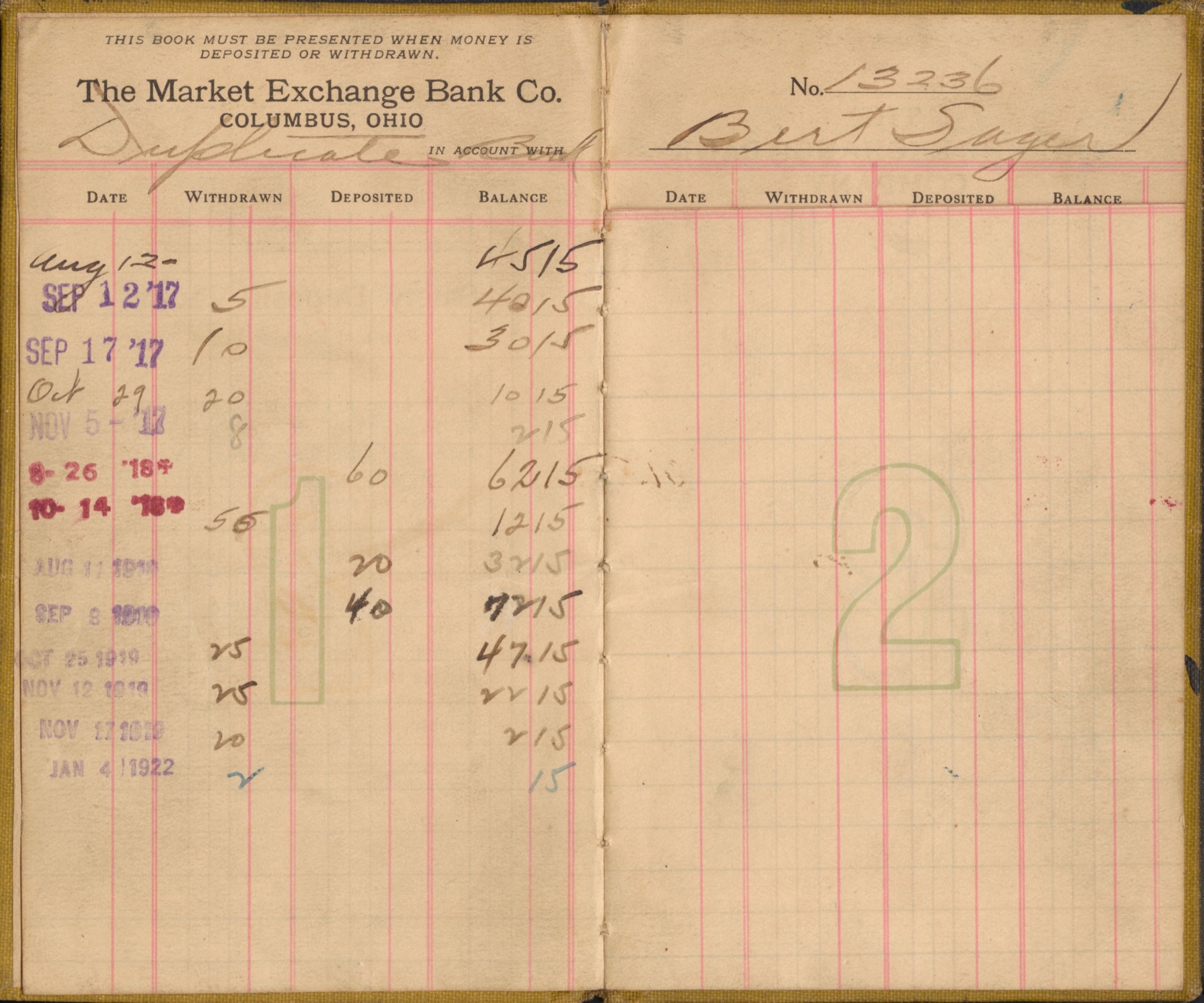
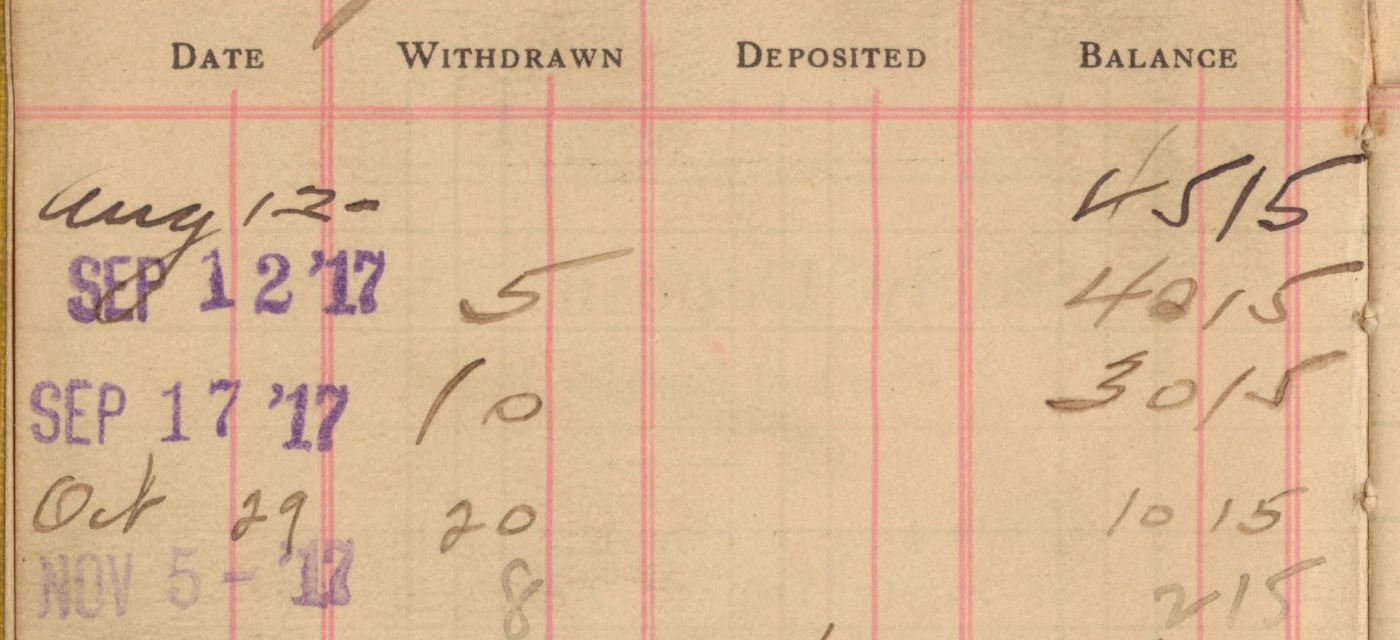
He withdraws $5.
→Balance $40.15.
He withdraws $2.
→Balance $0.15.
Every row is an act, and then a new record. The record decides what he can do next.
Columbus Metropolitan Library · Digital Public Library of America · public domain
OPEN · THE INVESTIGATION
We will ask what capital is, what a market is, and where knowledge fits.
-
What is capital?the record, and what it allows
-
What is a market?the rules that turn acts into outcomes
-
Where does knowledge fit?what each one does with what people know
Everything after this is a closer look at one part of this loop.
Factors 9, 10 and 11 · knowledgecapitalism.com
ACT ONE · THE SCORE
What is capital? A score that remembers.
The record, and what it allows.
Factor 9Capital is a path-dependent scoring system
A stone, a house, a credit score and a city.
Act one of five
ACT ONE · YAP, 1903
On Yap, a stone on the sea floor still counted as its owner's wealth.
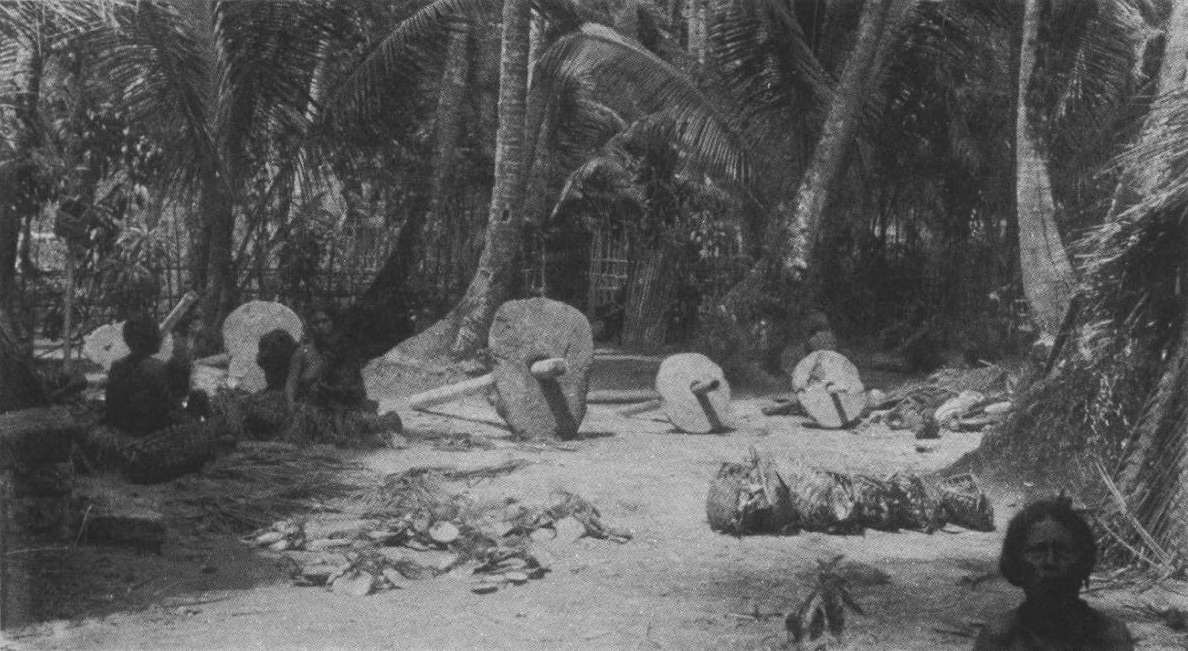
a family whose wealth was unquestioned … an enormous fei … lying at the bottom of the sea!
it was universally conceded … that a few hundred feet of water off shore ought not to affect its marketable value …
Nothing had to move. Everyone had to acknowledge who owned it.
W. H. Furness 3rd, The Island of Stone Money (1910), pp. 96–98
ACT ONE · ONE FORM
A house is three things at once: a building, a claim and a number.
A number
the appraisal: what an appraiser says it is worth, as of a date
“…my (our) opinion of the market value, as defined, of the real property that is the subject of this report is $, as of…”
A claim
who owns it, and by what right
- Borrower
- Owner of Public Record
- Legal Description
- Assessor's Parcel #
- Property Rights Appraised
- Fee Simple
- Leasehold
- Other
A building
what exists, and what it can do
- # of Stories
- Year Built
- Design (Style)
- Foundation
- Concrete Slab
- Crawl Space
- Full Basement
- Rooms
- Bedrooms
- Bath(s)
Capital is all three at once: capability, claim and score.
Three parts of one document, set in type
ACT ONE · UNITED STATES
When the number rose, owners borrowed more against the same houses.
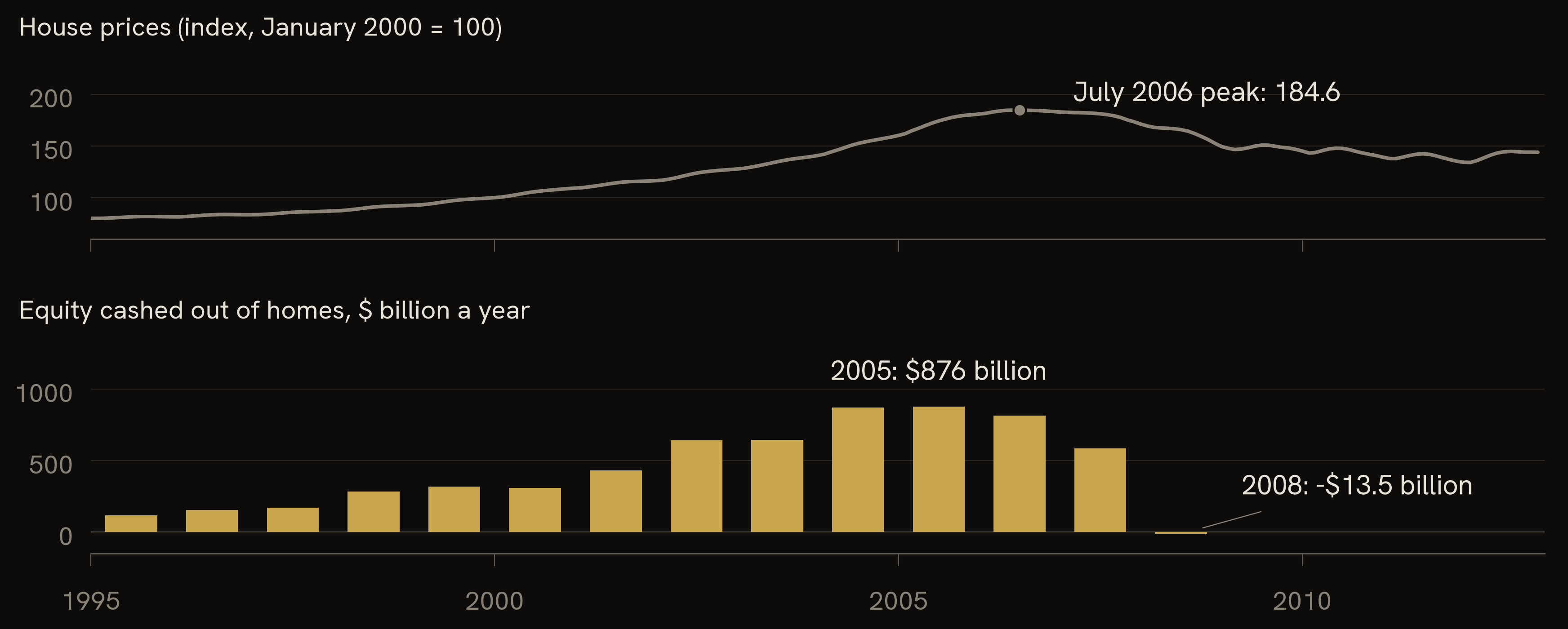
The buildings did not change. What their owners could do next did.
S&P Cotality Case-Shiller index, via FRED · equity extraction: J. Kennedy, Federal Reserve, method of Greenspan and Kennedy
ACT ONE · A COMPANY'S RECORDS
An investment rewrites a startup's records, and with them what it can attempt.
Before
- Cash
- $40,000
- Implied value
- none on record
- Who decides
- two founders
- Team
- 2
Can attempt: two people, a few more months.
After
- Cash
- $2,040,000
- Implied value
- $10 million
- Who decides
- founders and one investor
- Team
- 2
Can attempt: ten hires, compute, eighteen months.
Nothing was built that day. What could be attempted changed.
A constructed example; the numbers are invented
ACT ONE · SCOREBOARDS
There are many scoreboards, and a company built the model behind the credit score.
Published shares of importance, not the formula. The model is proprietary.
- A bank balance
- An appraisal
- A share price
Prices are one such score. Reputation, status, and citation counts are others, running on different ledgers with different rules.
Not a verdict on a person. A score that lenders agree to act on.
myFICO shares, Oct 2026 · FICO Form 10-K, FY2025 · Factor 9
ACT ONE · FLORENCE
In Florence, families at the top in 1427 are still slightly ahead today.
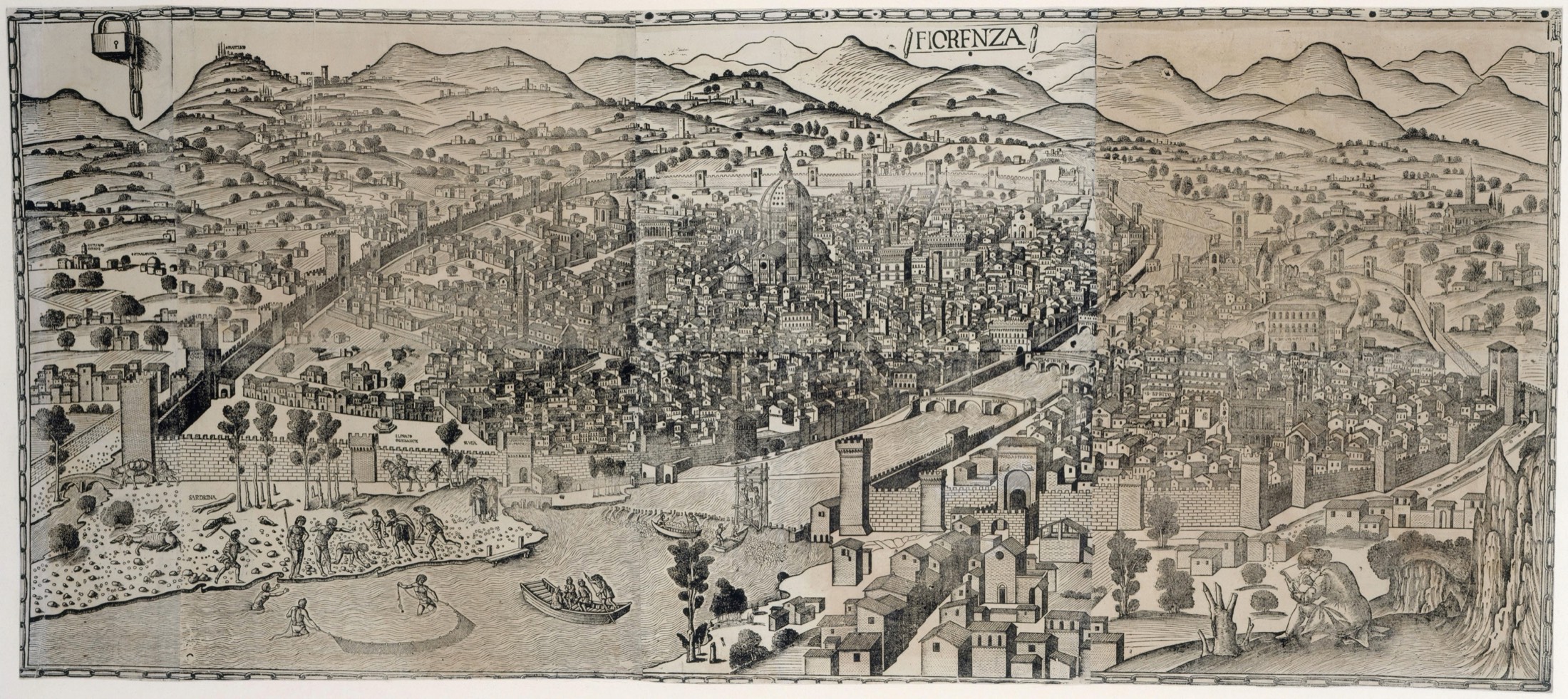
- 40.1%of descendants of the top third in 1427 are in the top third of earners in 2011
- 33.3%is what chance alone would give
- about 5%more earnings today for a family at the 90th percentile in 1427 than one at the 10th
A small edge. It has lasted almost six hundred years.
G. Barone and S. Mocetti, Review of Economic Studies 88(4), 2021 · families matched by surname
ACT ONE · THE ANSWER
Capital is a record of the past that changes what you can do next.
Not a pile of things. A score with write access to the future.
Factor 9 · knowledgecapitalism.com/blog/09-capital-scoring-system
ACT TWO · THE KNOWLEDGE MACHINE
What is a market? A machine nobody runs.
The rules that turn acts into outcomes.
Factor 10The market is a knowledge-utilization machine
A frost, a coffee house, a signed page and a classroom.
Act two of five
ACT TWO · HAYEK, 1945
The knowledge an economy runs on is scattered, and nobody holds it all.
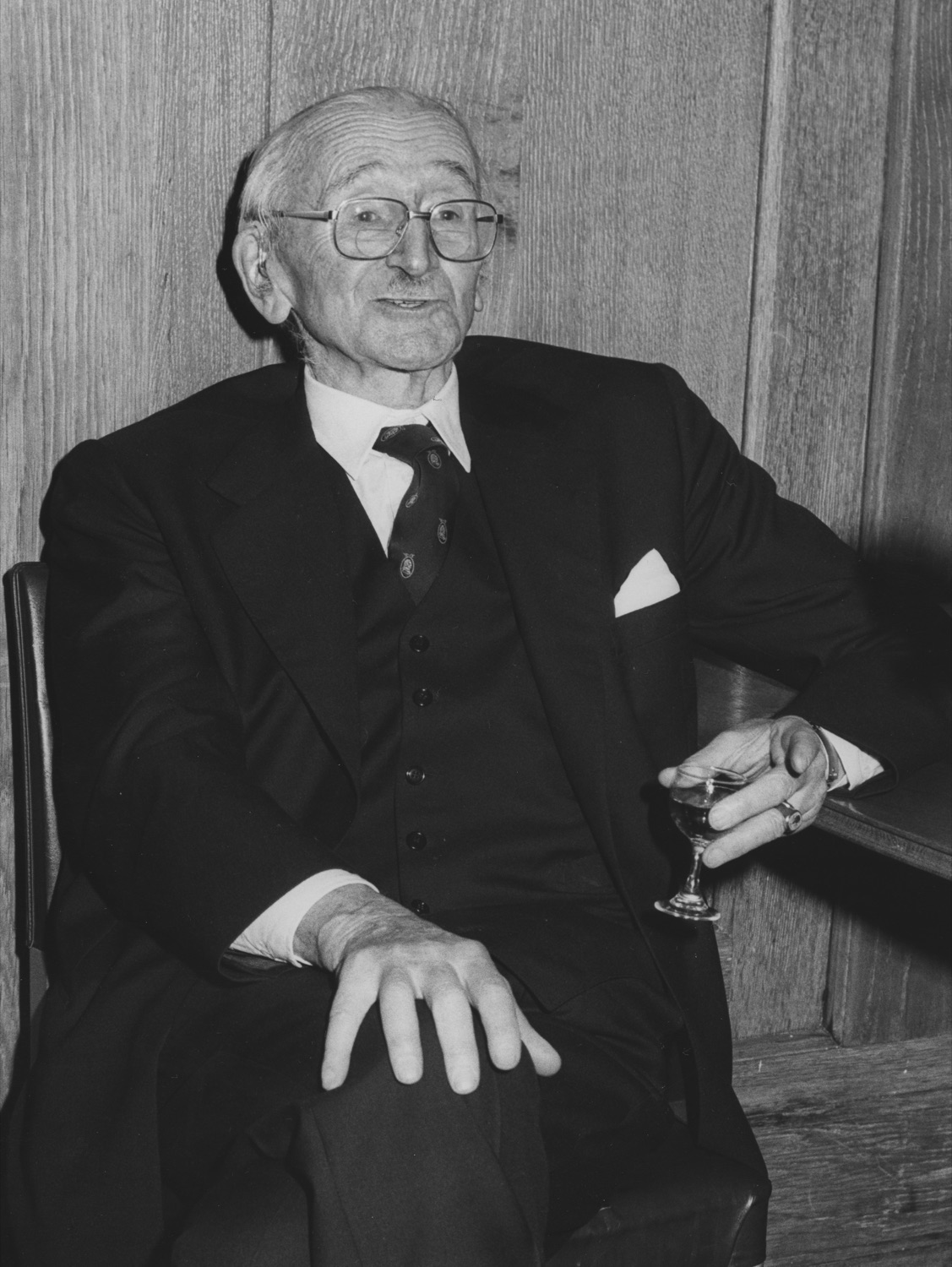
But a little reflection will show that there is beyond question a body of very important but unorganized knowledge which cannot possibly be called scientific in the sense of knowledge of general rules: the knowledge of the particular circumstances of time and place.
…the knowledge of the circumstances of which we must make use never exists in concentrated or integrated form, but solely as the dispersed bits of incomplete and frequently contradictory knowledge which all the separate individuals possess.
Everyone holds a piece. No one holds the whole.
F. A. Hayek, American Economic Review 35(4), September 1945
ACT TWO · BRAZIL, 1975
A frost in Brazil in July 1975 raised coffee prices around the world.
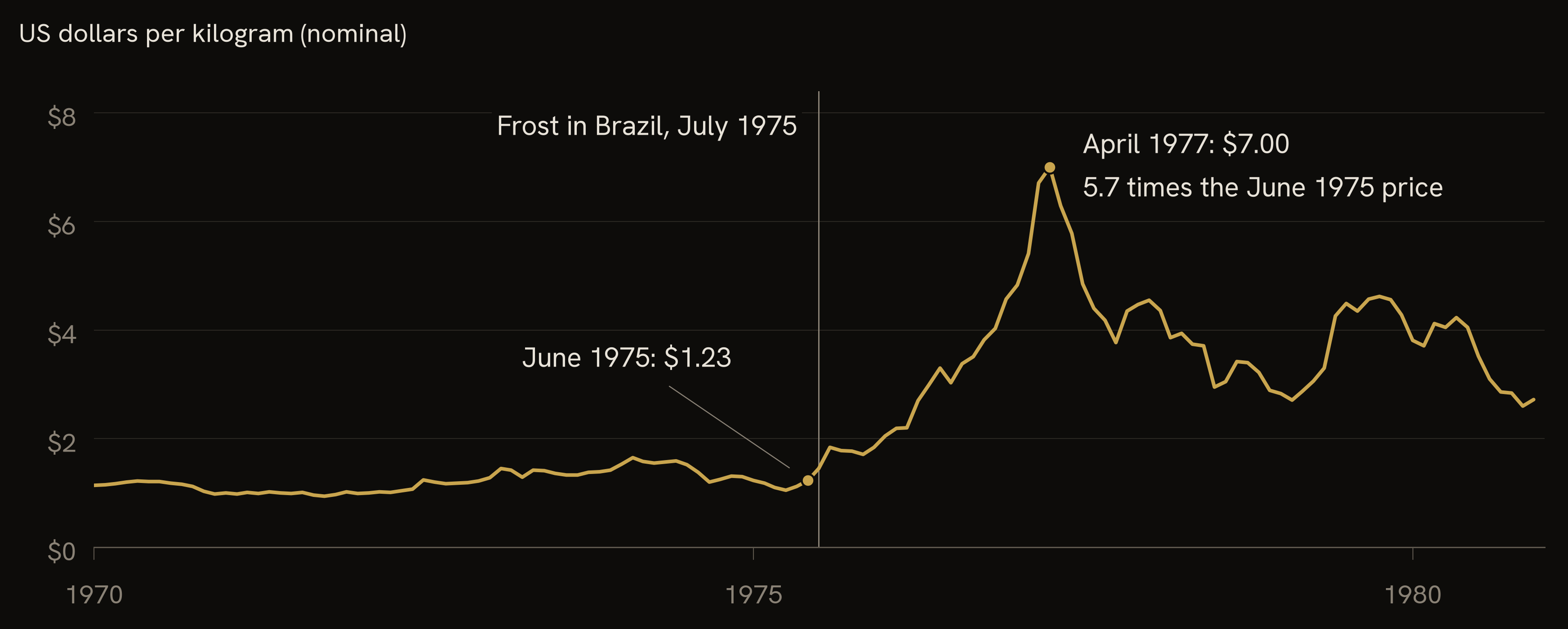
A price can move people far away. They do not need to know about the frost.
World Bank Pink Sheet, arabica (ICO indicator price) · monthly, 1970–1980
ACT TWO · ONE PRICE
A price tells people to act without telling them why.
Use less.
Find a substitute.
Plant more.
$7.00
a kilo of arabica coffee
The cause.
Who was forced to sell.
What was not counted.
Whether it will last.
It does not matter for our purpose—and it is very significant that it does not matter—which of these two causes has made tin more scarce. All that the users of tin need to know is that some of the tin they used to consume is now more profitably employed elsewhere, and that in consequence they must economize tin.
The price carries the consequence. It leaves the story behind.
F. A. Hayek, American Economic Review, 1945 · price: World Bank Pink Sheet, nominal
ACT TWO · EXCHANGES
Exchanges began in coffee houses, and they have outlived the rooms they met in.
1763
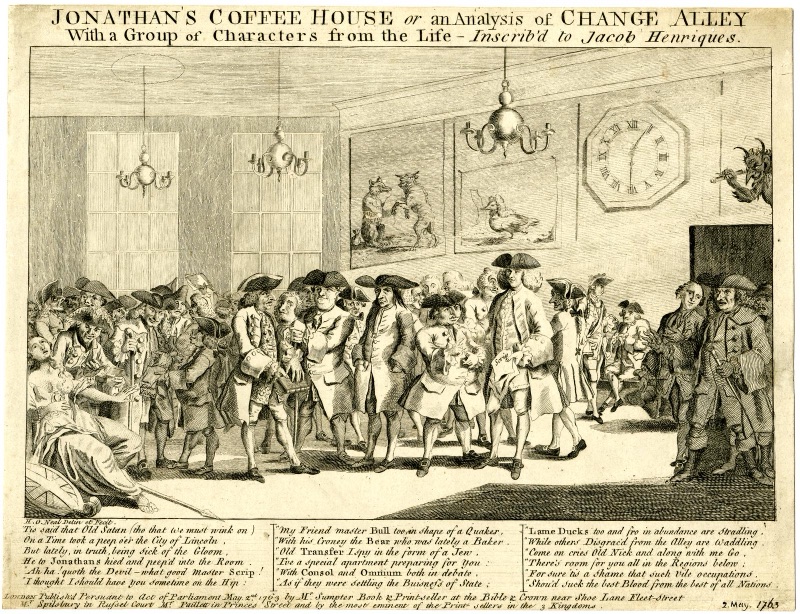
Men crowded into a room.
1905
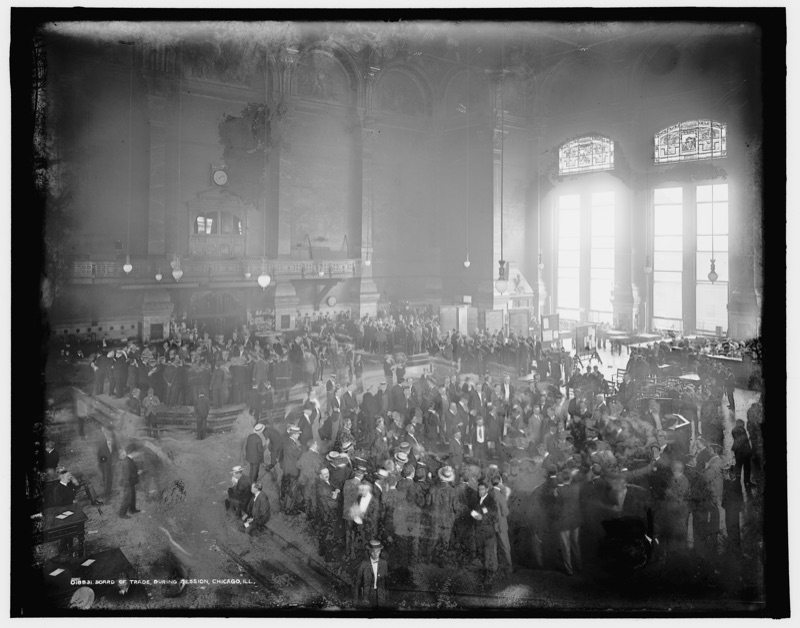
Men crowded onto a floor.
1922
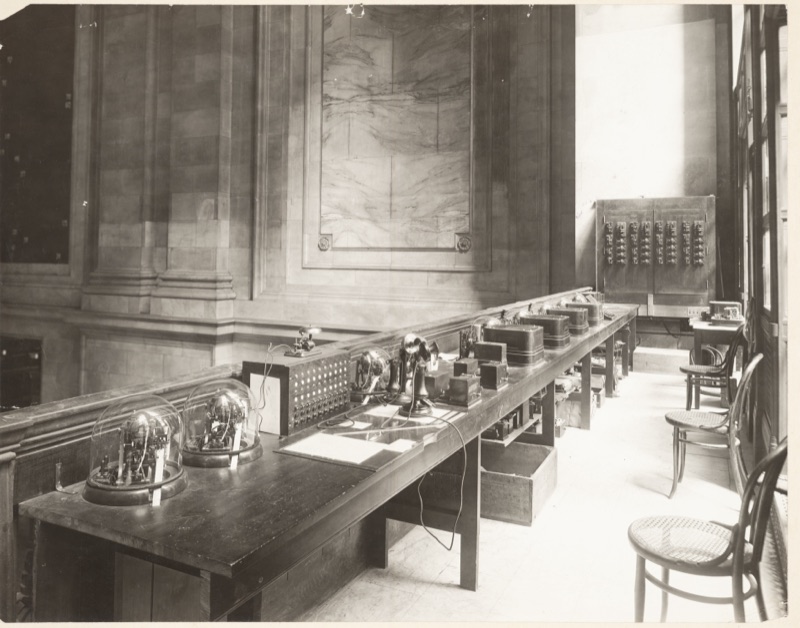
Prices sent out by wire.
2020
All NYSE markets will continue to operate under normal trading hours despite the closure of the trading floors.
No floor. Normal hours.
Rooms came and went. The room was never the market.
LSE Group history · NYSE history · ICE press release, 18 March 2020
ACT TWO · NEW YORK, 1792
The New York exchange traces back to two rules and about two dozen signatures.
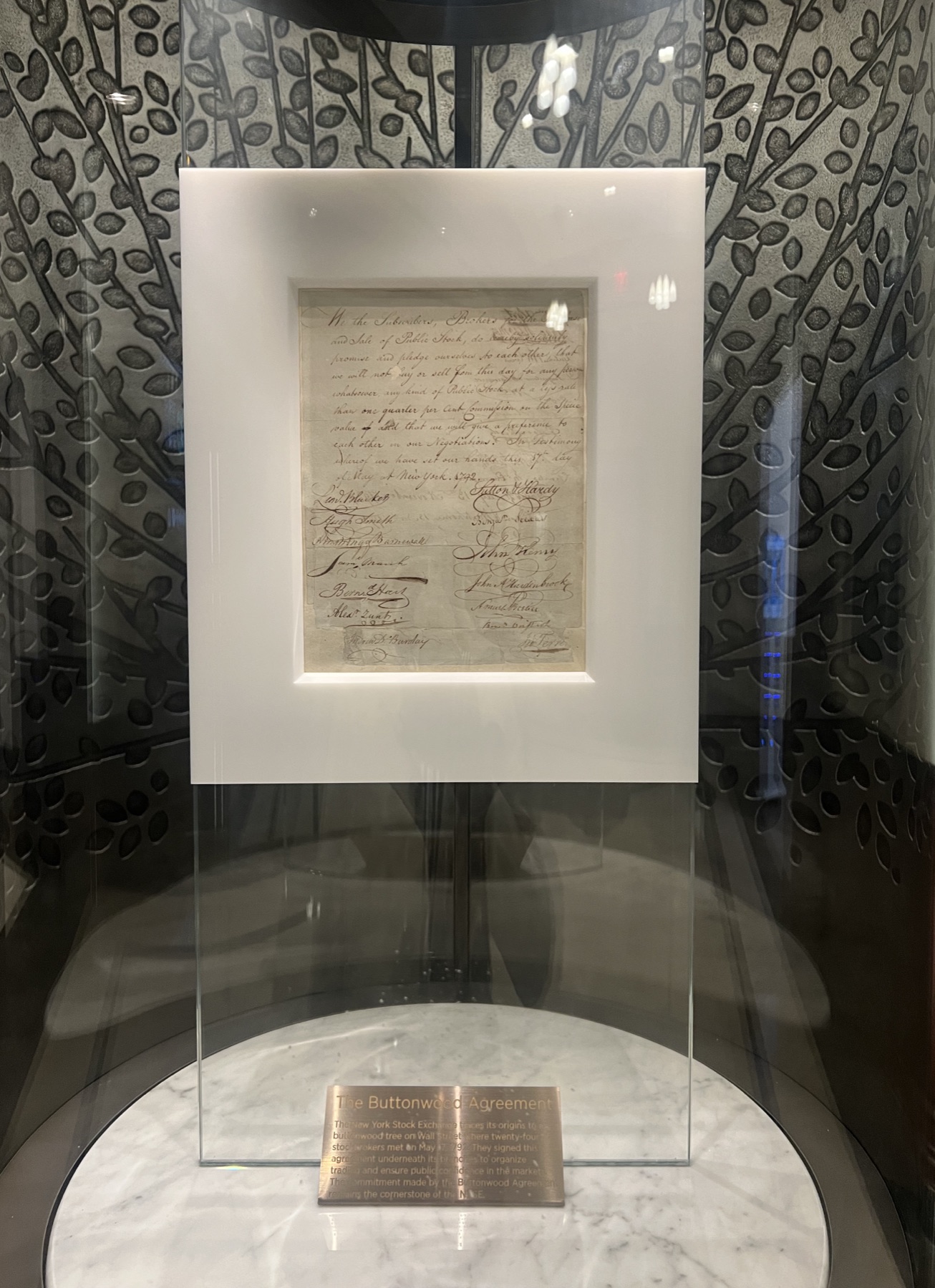
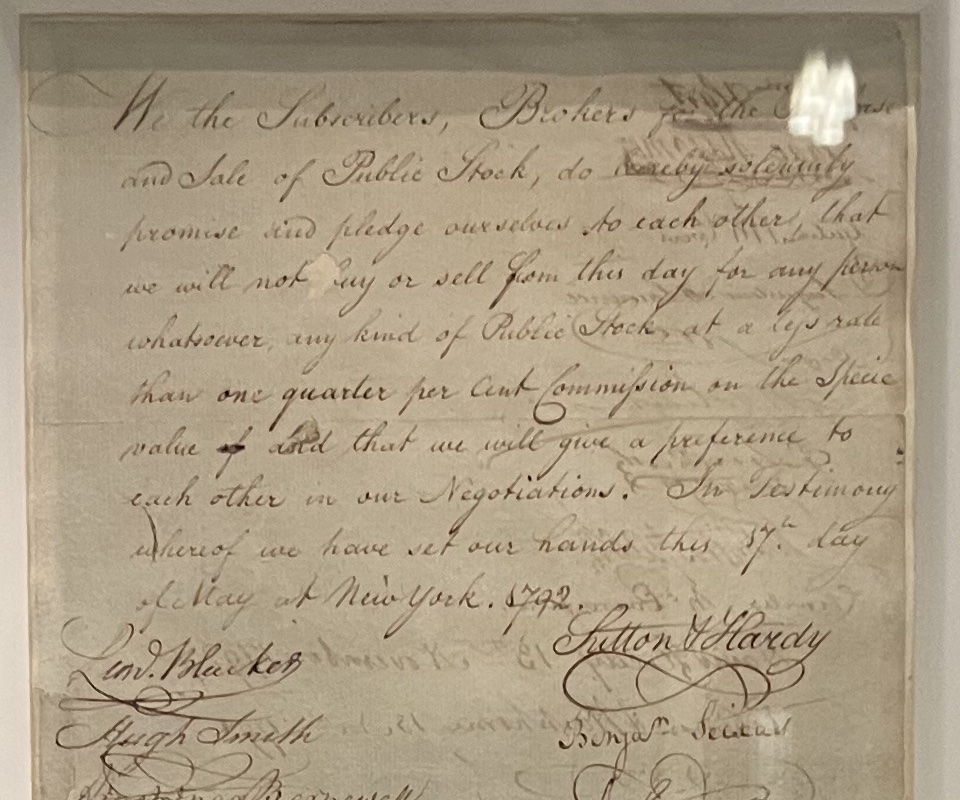
…we will not buy or sell from this day for any person whatsoever, any kind of Public Stock, at a less rate than one quarter per Cent Commission on the Specie value
…and that we will give a preference to each other in our Negotiations.
A market is a set of rules for turning messages into trades.
NYSE Archives original, 17 May 1792 · wording read from the scan, SEC Historical Society
ACT TWO · NEW YORK, 1963
An order is a message backed by consequence, not an opinion.
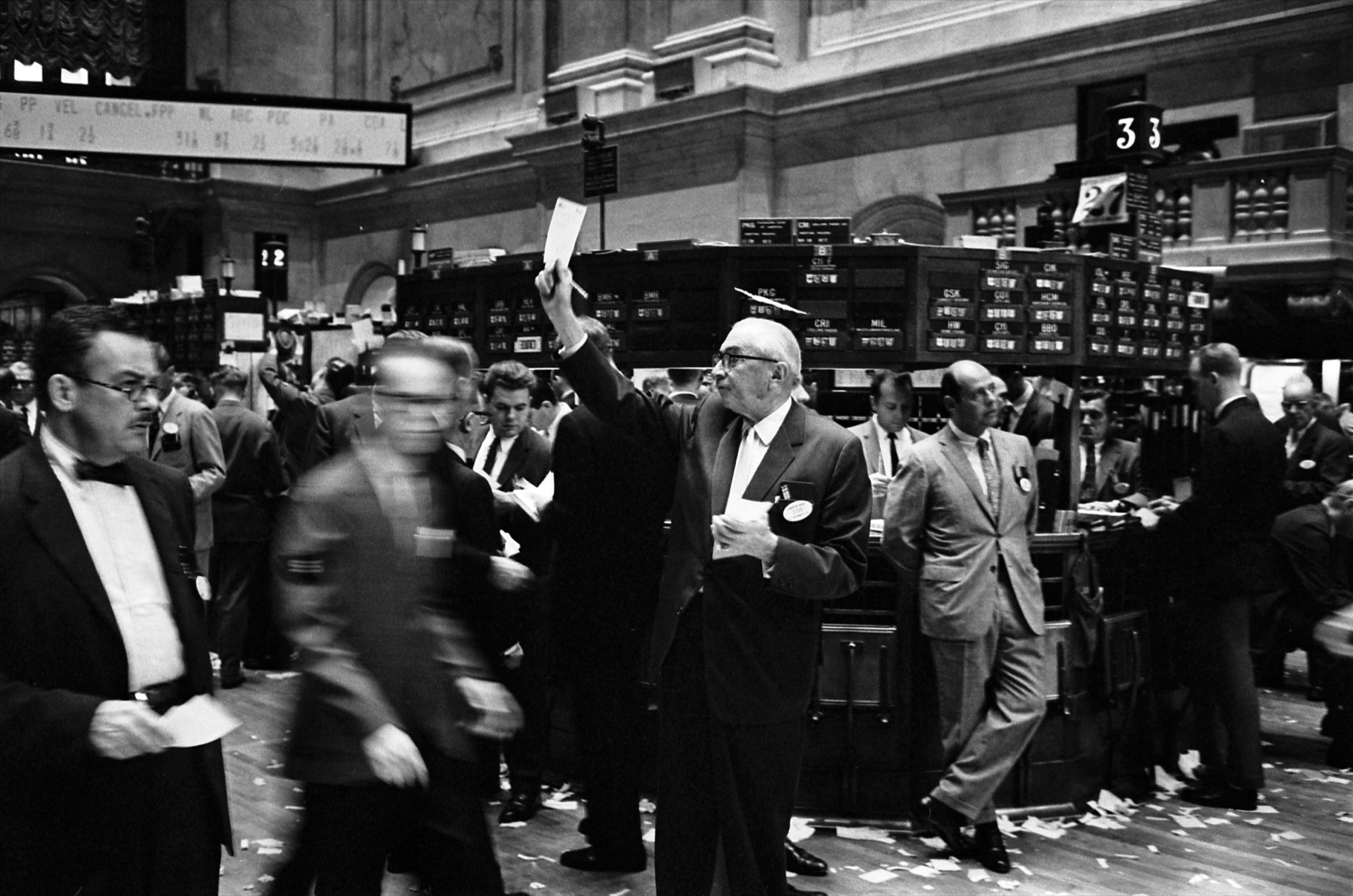
The slip is the message. Behind it:
- What the trader knows
- What the trader believes
- What the trader needs
- What the trader can afford
- What the trader must do
The market does not need what I know. It needs what I know to change what I do.
NYSE trading floor, 26 September 1963
ACT TWO · A CLASSROOM, 1962
Nobody in Smith's classroom market saw the curves, yet prices settled where they crossed.
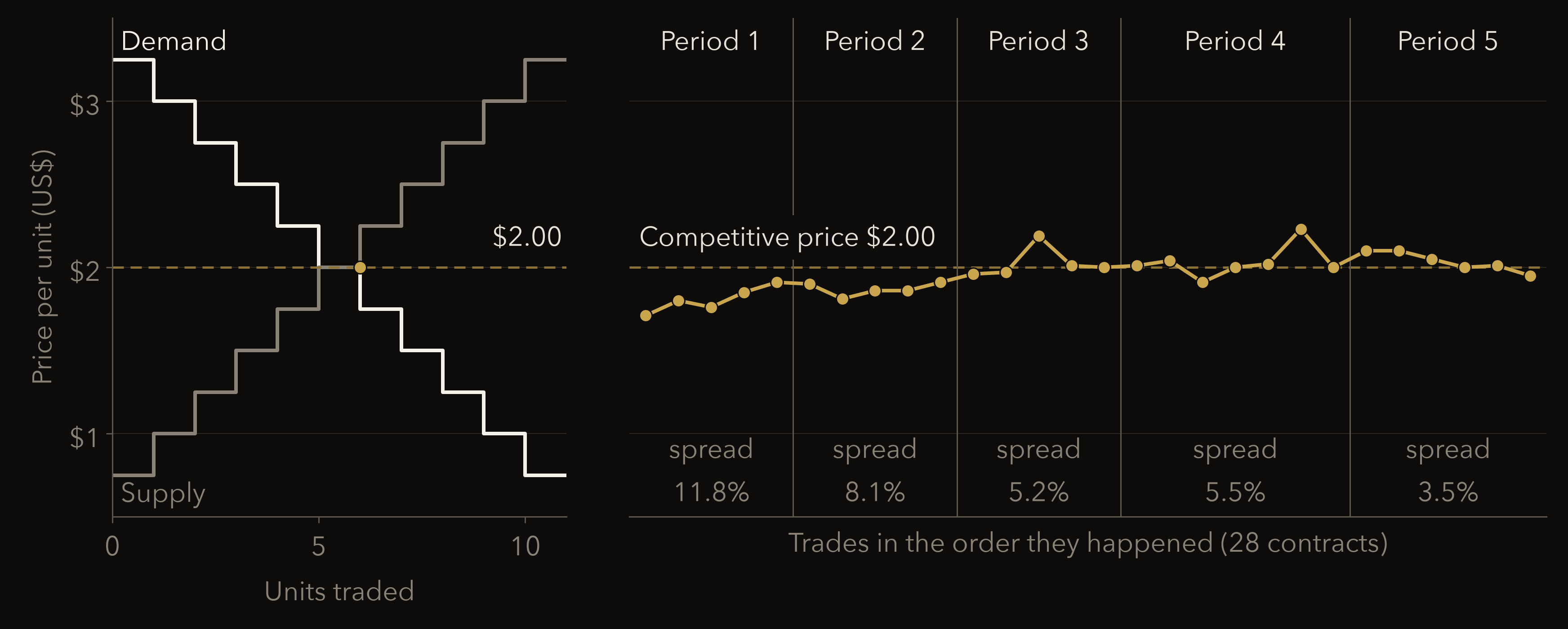
Each trader knew one number. None of them could have computed the price.
V. L. Smith, J. Political Economy 70(2), 1962, Chart 1 · redrawn; contract prices read off the chart
ACT TWO · THE ANSWER
A market turns many separate acts into prices, using knowledge nobody holds whole.
Private knowledge goes in. A public price comes out.
Factor 10 · knowledgecapitalism.com/blog/10-market-knowledge-utilization
ACT THREE · THE THREE DYNAMICS
Where does knowledge fit? Follow one cup of coffee.
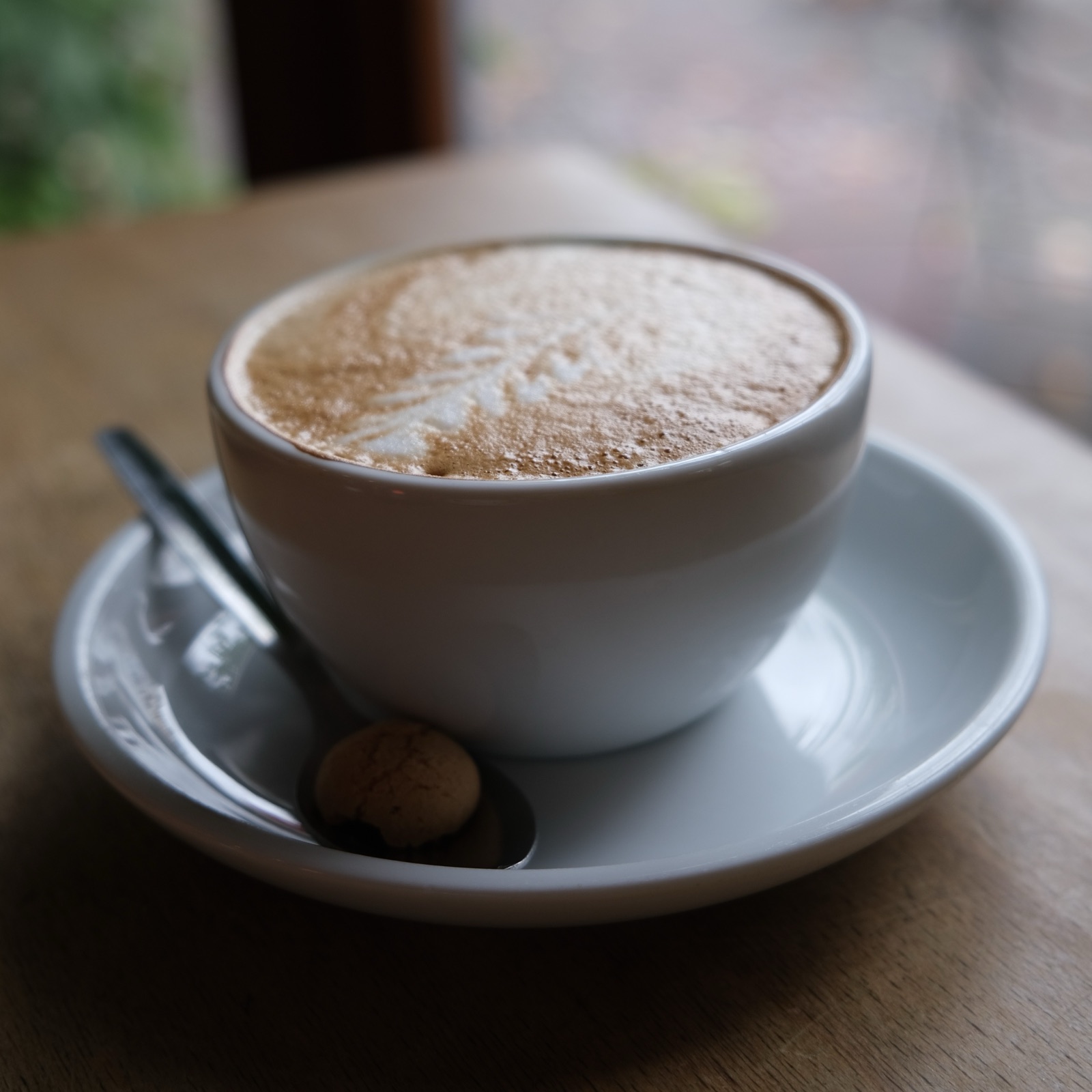
One part of it is things. Two parts are knowledge.
- What is used up: beans, milk, minutes.
- What is copied: the recipe, the know-how.
- What everyone already accepts: the rules.
The third question, answered from inside one five-dollar purchase.
Act three of five
ACT THREE · THINGS
Some of what you paid for is used up, starting with the beans.
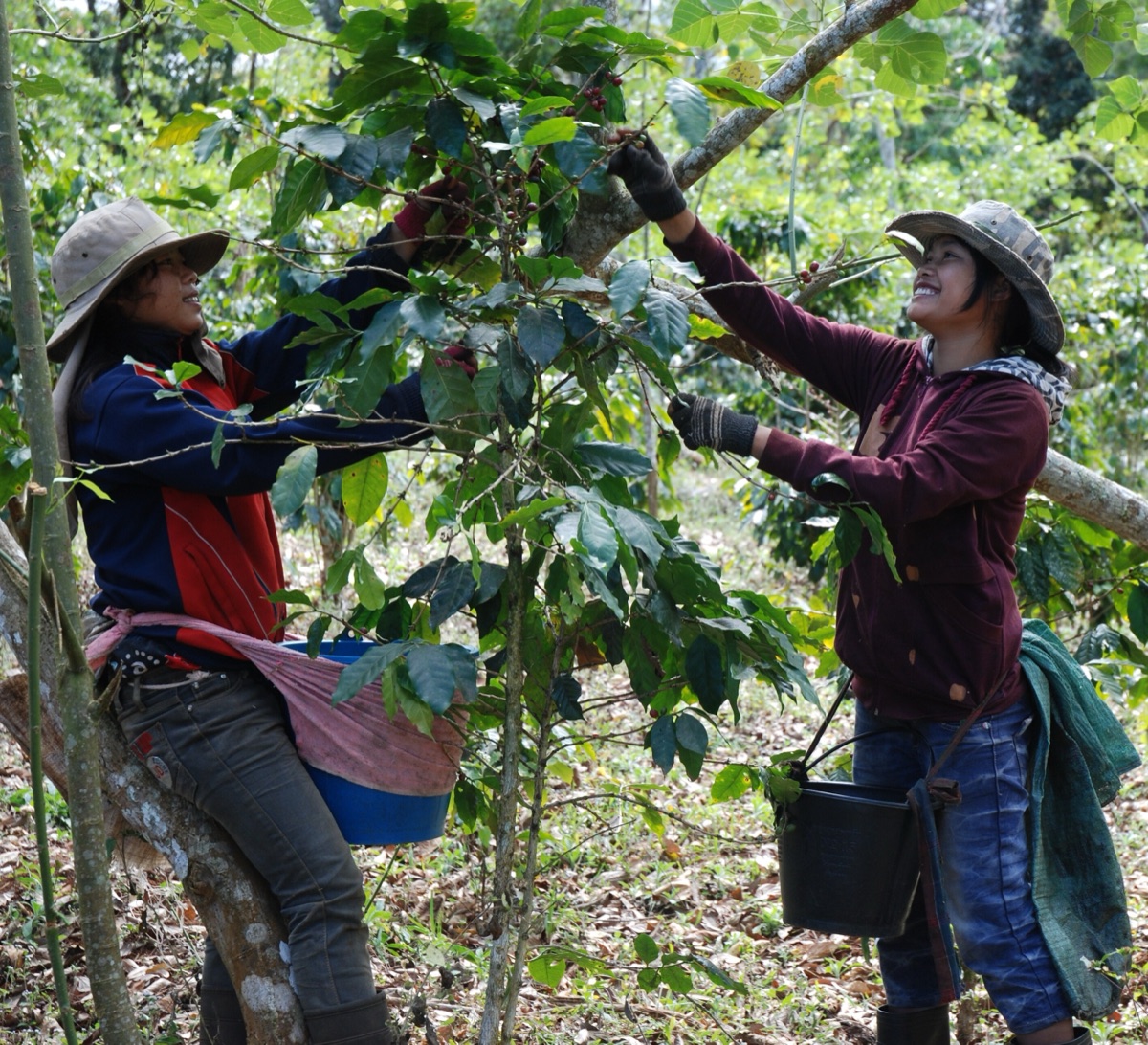
Thomas Schoch · CC BY-SA 3.0 · cropped
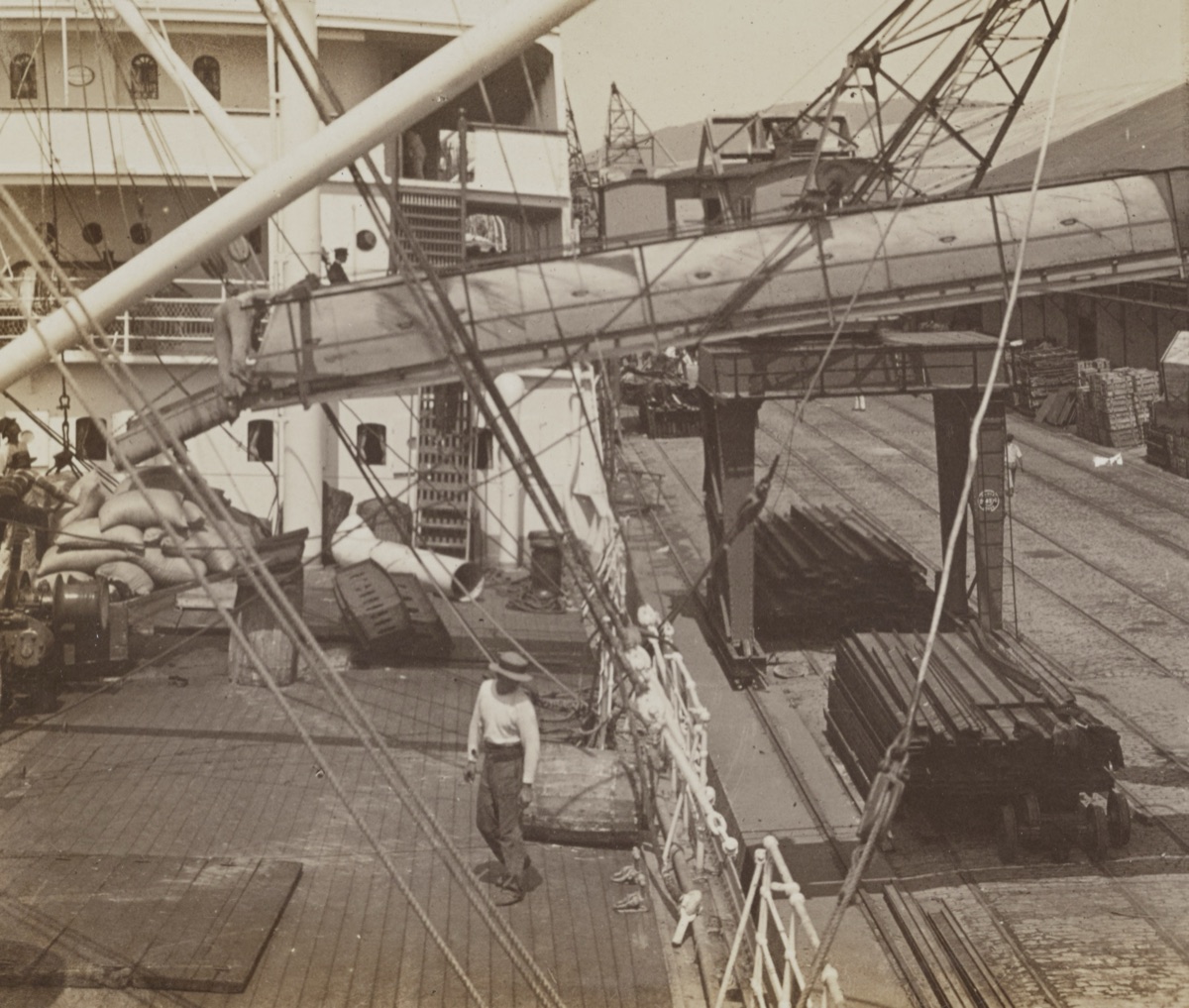
Keystone View Co. · Library of Congress · no known restrictions · cropped
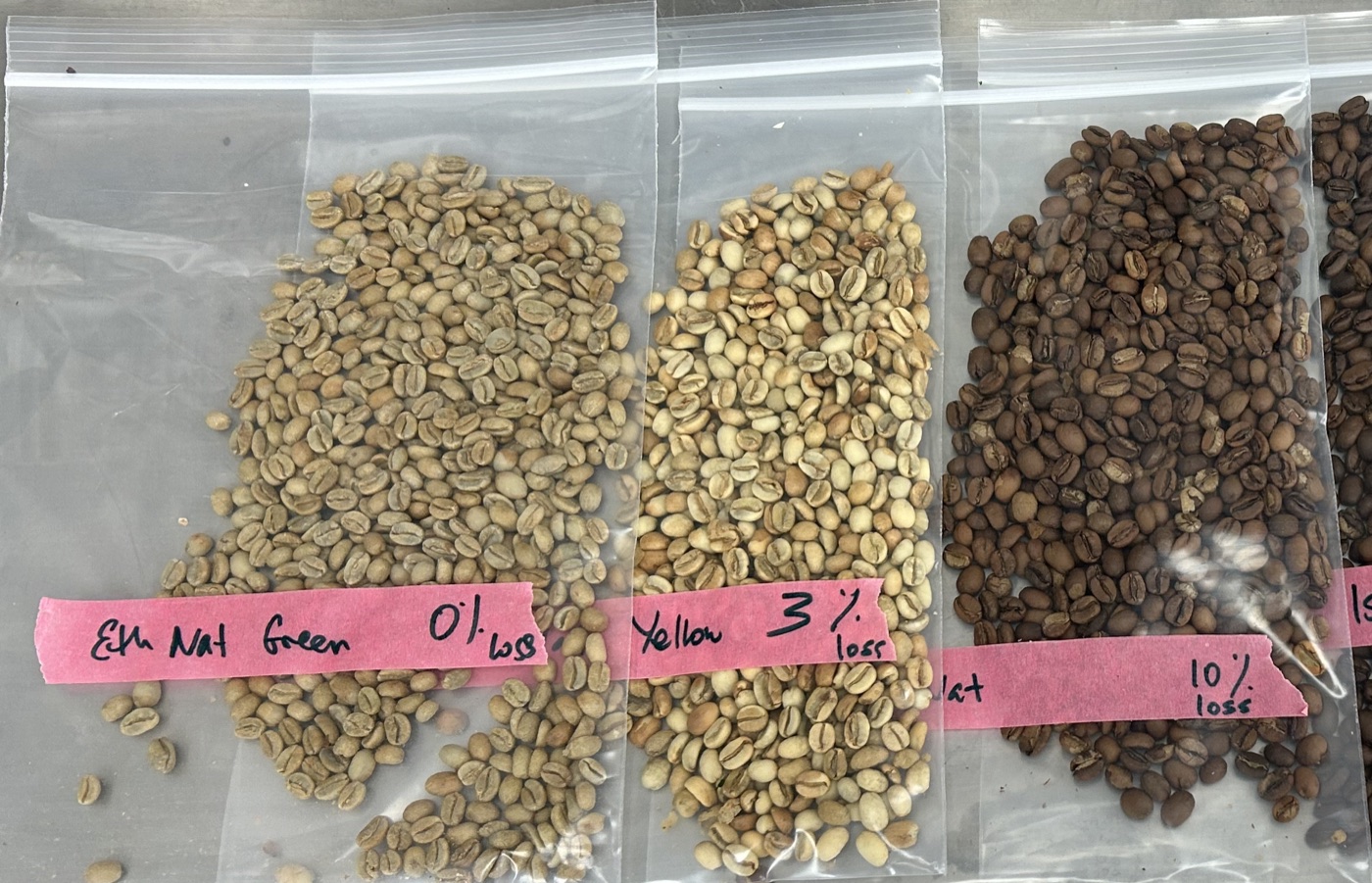
Nachotacl · CC BY-SA 4.0 · cropped
Edward / Wikimedia Commons · CC0
Movementthe book's “gradient flow”
When you buy a coffee, that is Gradient Flow.
This part is things: scarce, used up, handled by exchange.
Four photographs, four places and years, not one cup's journey
ACT THREE · KNOW-HOW
The recipe is not used up; the chain grew from 17 stores to 40,990.
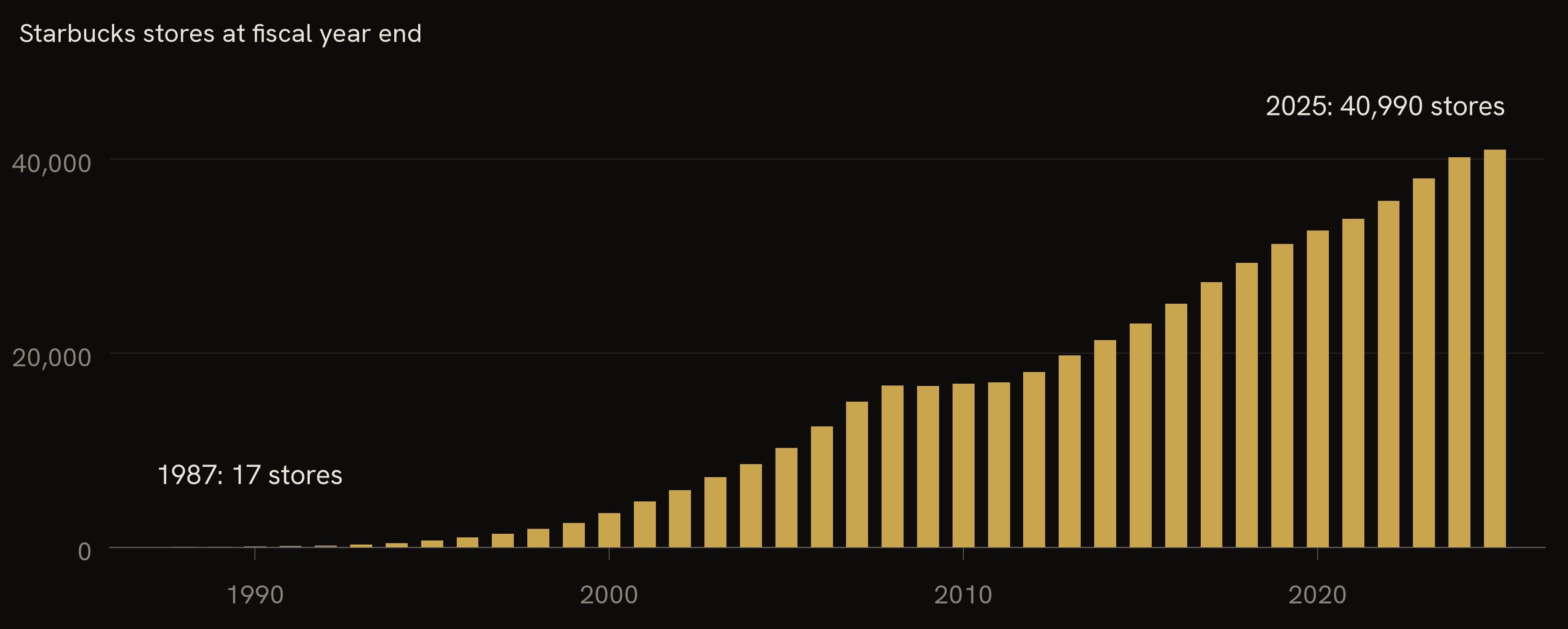
Replicationthe book's “circular flow”
The knowledge is not consumed. It is replicated.
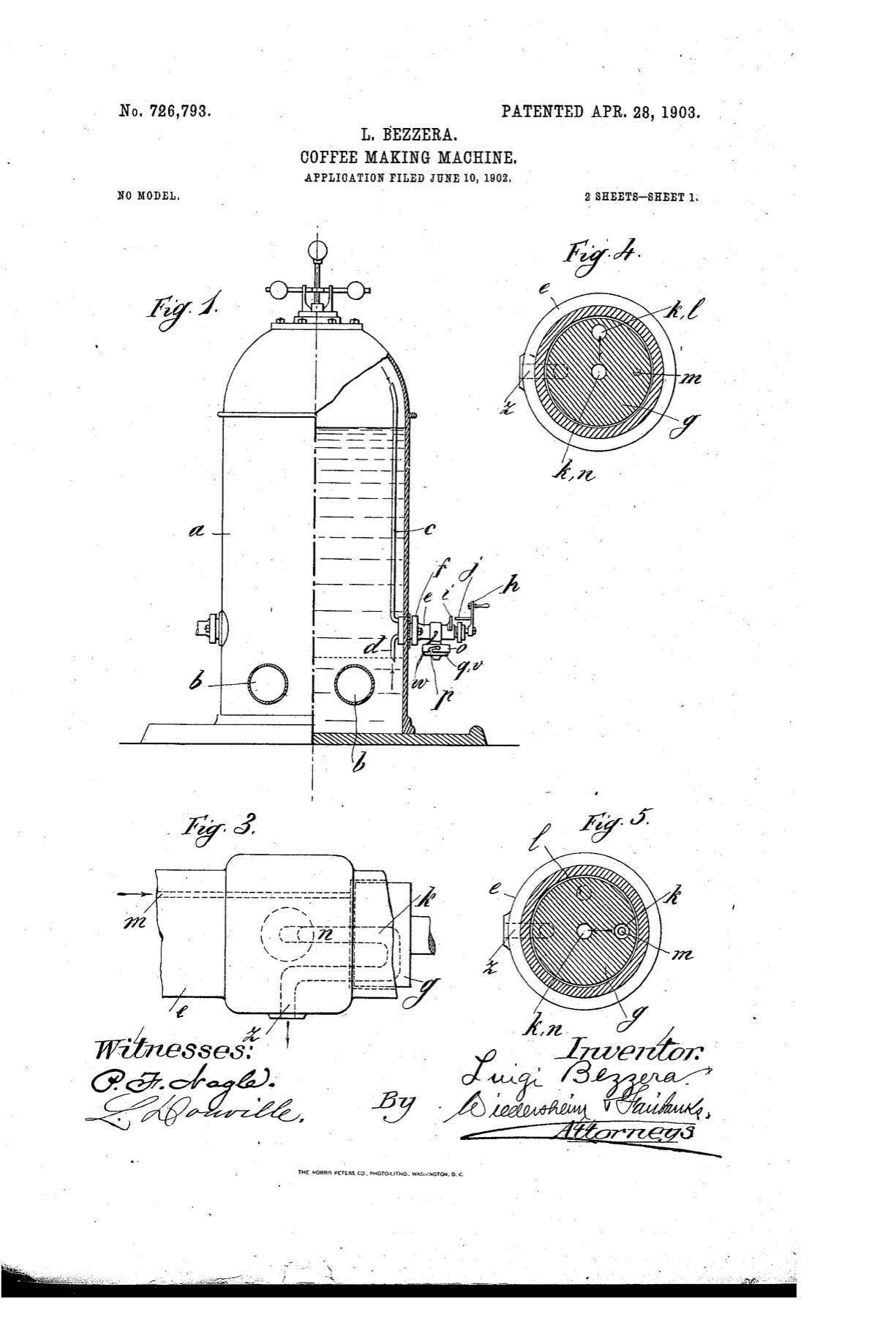
Luigi Bezzera · Google Patents · public domain
This part is knowledge: know-how, copied and never used up.
Starbucks 10-Ks, FY1993–2025; company timeline, FY1987–92, company-owned stores
ACT THREE · THE SCORE
Knowledge is the asset the scoreboard finds hardest to score.
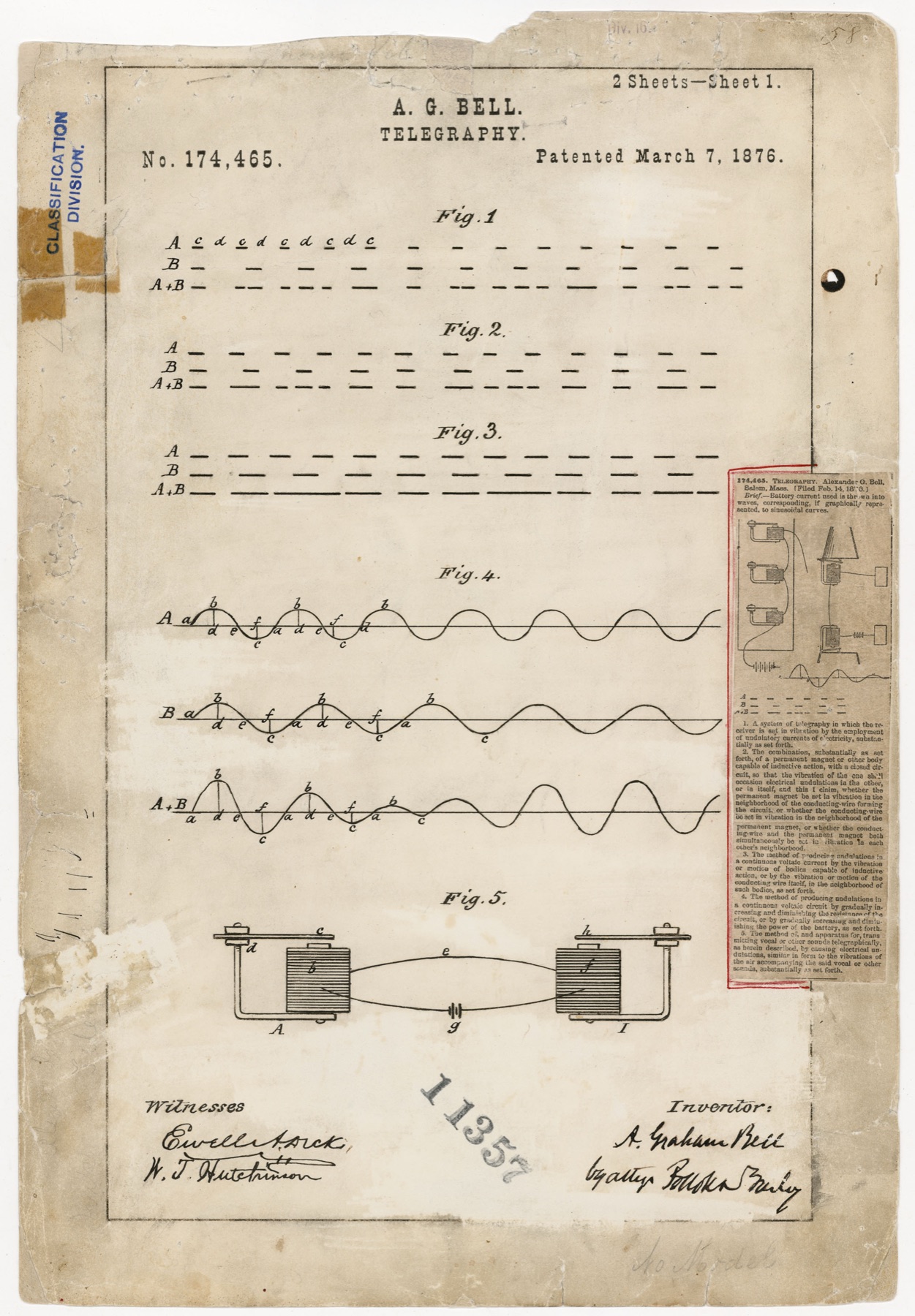
U.S. National Archives · public domain
Two descriptions of speech by wire reached the Patent Office on 14 February 1876.
…to price information you must reveal it, and once revealed it need not be bought.
8.1% → 39.7%
Software, research and creative work, as a share of US business investment.
Factor 9Capital is a path-dependent scoring system
The record scores knowledge badly: it is copied and cannot be priced unseen.
US patent 174,465 · Factor 9 · BEA intellectual property products, via FRED
ACT THREE · SHARED RULES
The sale runs on rails that nobody negotiates at the counter.
Standard time
Weights and measures
A tax law, not the shop's rule
Dollars: legal tender by statute
A card network's rules
A language both sides share
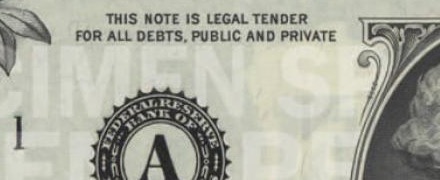
U.S. Currency Education Program
Structurethe book's “harmonic flow”
Driving on the right is not truer than driving on the left; it is merely settled, and the settlement is the entire value.
This part is knowledge too: what everyone already agrees on.
Receipt invented for the talk · legal tender: 31 U.S.C. 5103
ACT THREE · ONE CUP
One coffee holds three dynamics, and exchange is only one of them.
Used upthe book's “gradient flow”
Beans picked, shipped and roasted.
Copiedthe book's “circular flow”
The recipe, from 17 stores to 40,990.
Run onthe book's “harmonic flow”
Dollars, ounces, tax and card rules.
One part things, two parts knowledge. The market is not the economy.
Lens: The Last Economy, ch. 9. The single-cup version is this talk's adaptation.
ACT THREE · THE WHOLE MACHINE
You already know the whole machine; here it is with its usual names.
- What is used upbeans, milk, minutes
- What is copiedrecipes, formats, know-how
- What everyone acceptscurrency, measures, law
Nothing on this slide is new. Only the names are.
Factors 9, 10 and 11 · The Last Economy, ch. 9
ACT THREE · THE ANSWER
Knowledge sits in three places: in each act, in the rules, and badly in the record.
Markets use knowledge without owning it. Capital has trouble scoring it.
Factors 8, 9 and 10 · knowledgecapitalism.com
ACT FOUR · THE RULES
Change the rule. Change the outcome.
Same people, same thing. Swap one box.
Factor 11Coordination mechanisms scale civilization
A race, a lottery, an auction and a ticket.
Act four of five
ACT FOUR · OKLAHOMA
In Oklahoma the government opened land by a run, then a lottery, then sealed bids.
This land belonged to Native nations. Federal agreements and acts of Congress opened it to non-Native settlement.
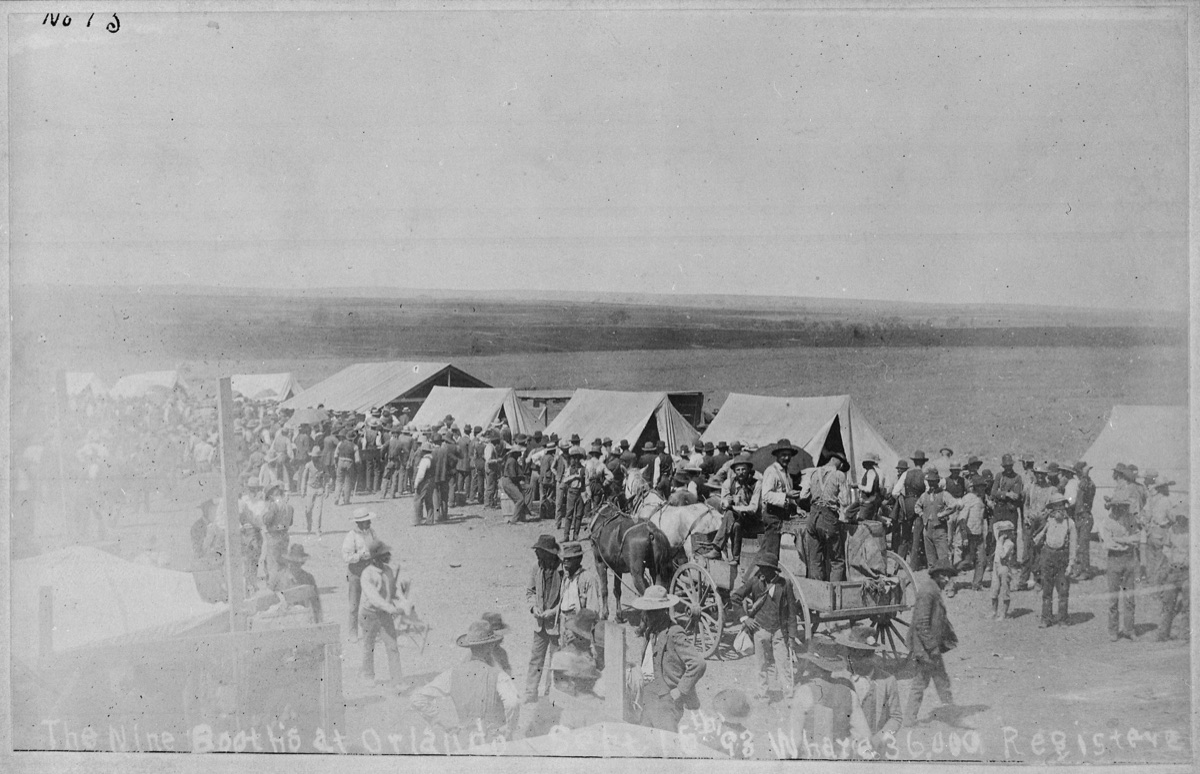
16 Sep 1893The run
Register at a booth, then race to a claim at the signal.
Rewarded speed
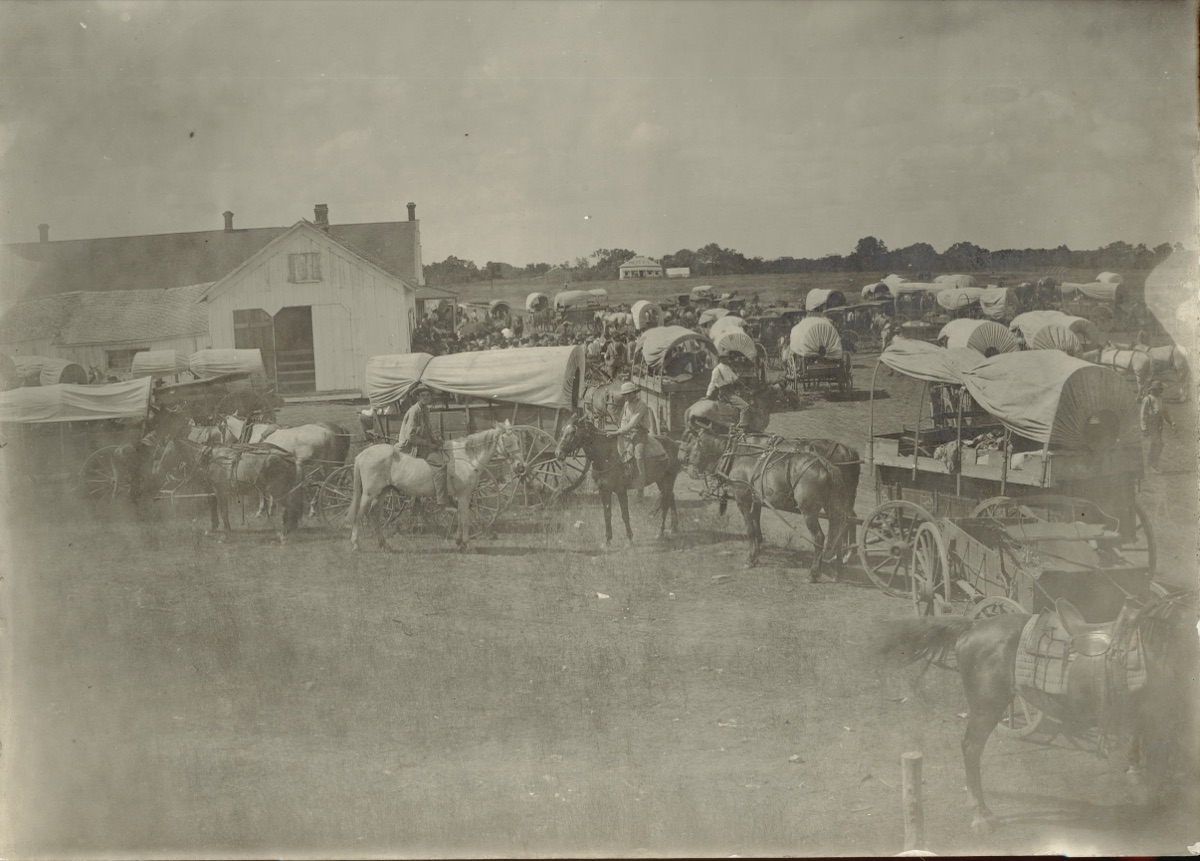
Jul 1901The lottery
Register in person, then a drawing sets the order of entry.
Rewarded luck
- The highest sealed bid wins.
- At least $5 an acre.
- Bidders must qualify as homesteaders.
- The price is credited to the tribes.
Jun 1906The sealed bid
Sealed bids received at the Lawton land office.
Rewarded money
The race rewarded speed, the lottery luck, the sealed bid money.
Oklahoma Historical Society · A. Turner, Chronicles of Oklahoma, 1993 · not a controlled experiment
ACT FOUR · YOUR TURN
Four rules give the same ticket and the same people four different outcomes.
- Ana would pay up to $300, arrives third
- Ben up to $120, arrives second
- Chi up to $80, arrives first
First come, first served
The seller sets $60. First in line may buy.
- Chifirst in line
- Bensecond
- Anathird
Chipays $60
Lottery
The seller sets $60. One name is drawn.
- Anaone chance in three
- Benthe draw
- Chione chance in three
Benpays $60
Posted price
The seller sets $150. First taker buys.
- Chi$80 is under $150
- Ben$120 is under $150
- Ana$300 covers $150
Anapays $150
Auction
The price climbs from $60 until one bidder is left.
- Chidrops out at $80
- Bendrops out at $120
- Analast one in
Anapays $120
Three rules let the seller name the price. The fourth found it in what the bidders knew.
A constructed example; the people and prices are invented
ACT FOUR · TWO WEBSITES
eBay ended auctions on the clock, Amazon extended them, and bidders behaved differently.
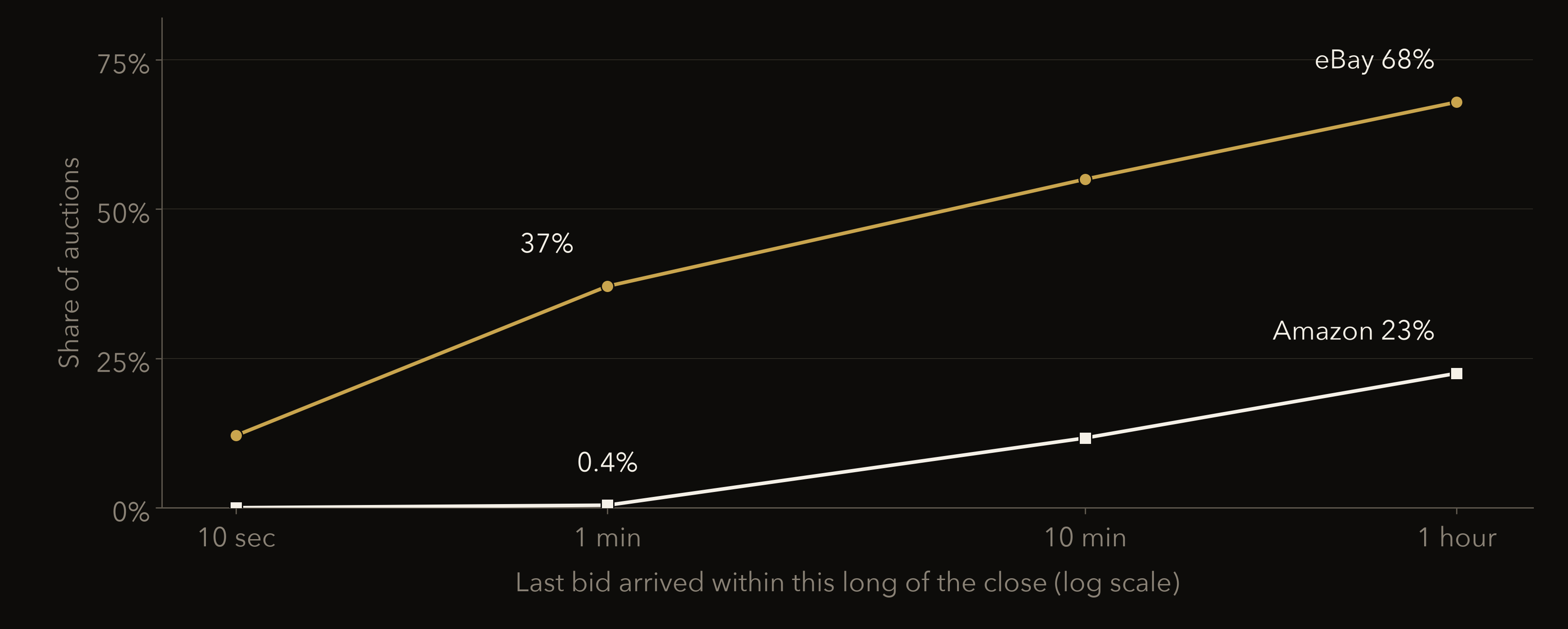
- The auction ends at a fixed time.
- It runs on until ten minutes pass without a bid.
One line in the rules. Somebody wrote it.
A. Roth and A. Ockenfels, American Economic Review 92(4), 2002 · 240 auctions per site · a comparison, not an experiment
ACT FIVE · THE ARCHITECTURE
So what is capitalism? A building with dates on it.
None of it is natural. Money was invented
Factor 11Coordination mechanisms scale civilization
Every part of the loop was put there by someone.
Act five of five
ACT FIVE · SEVEN DATES
Every part of the system has a date and an author.
650–560 BCE
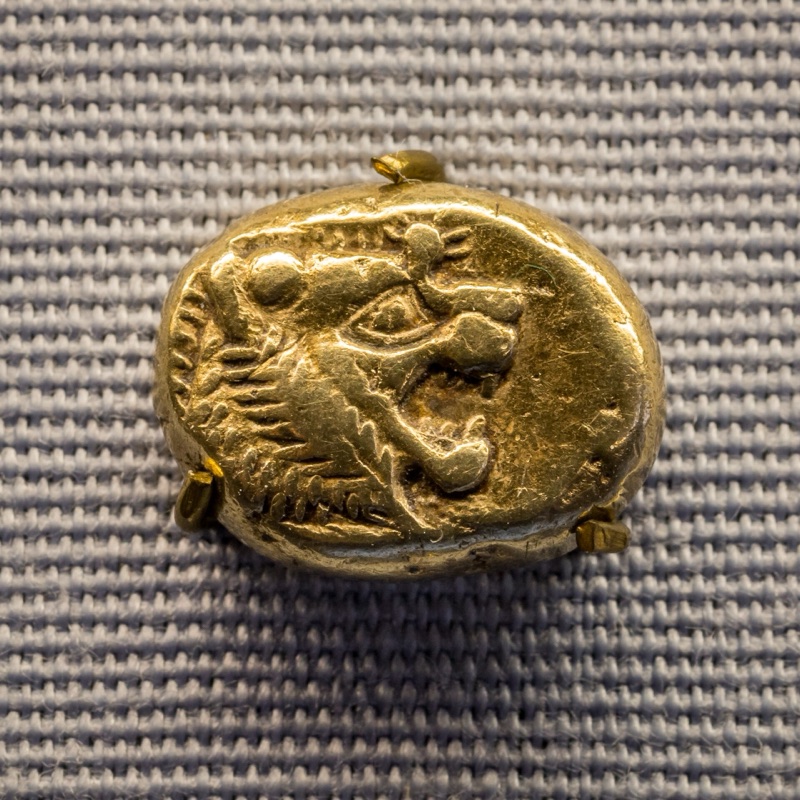
Among the earliest coins, struck by Lydian kings.
1474
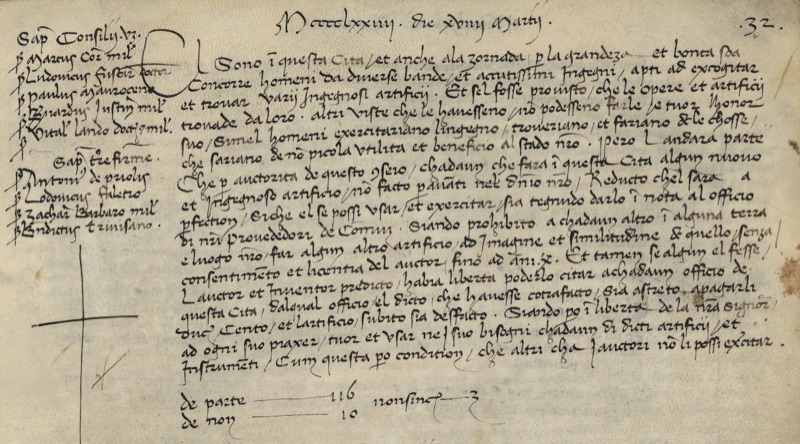
Venice protects an invention for up to ten years.
1494
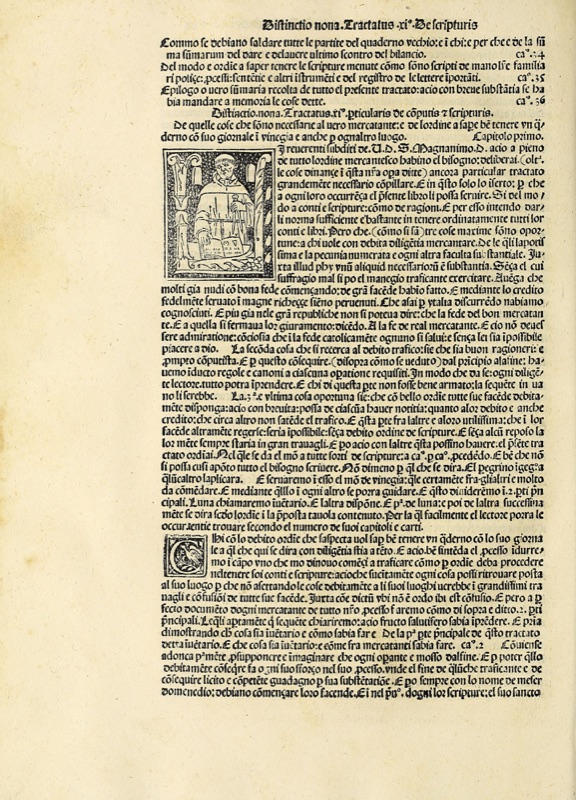
Pacioli prints Venice's method of double entry.
1606
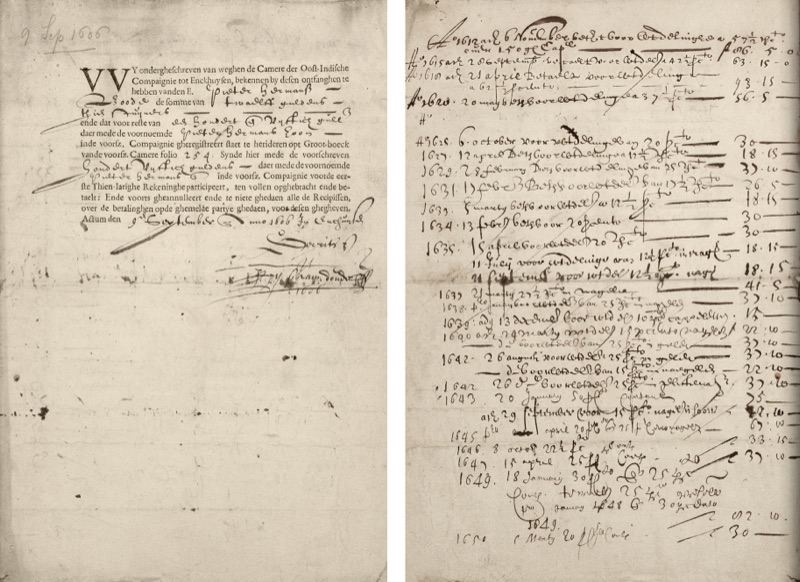
Oldest surviving VOC share record: a receipt.
1855
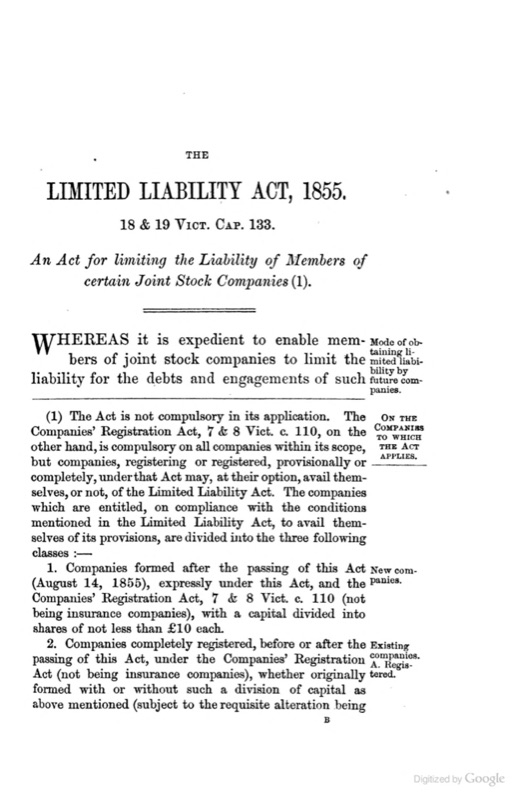
Parliament lets some companies limit liability.
1944
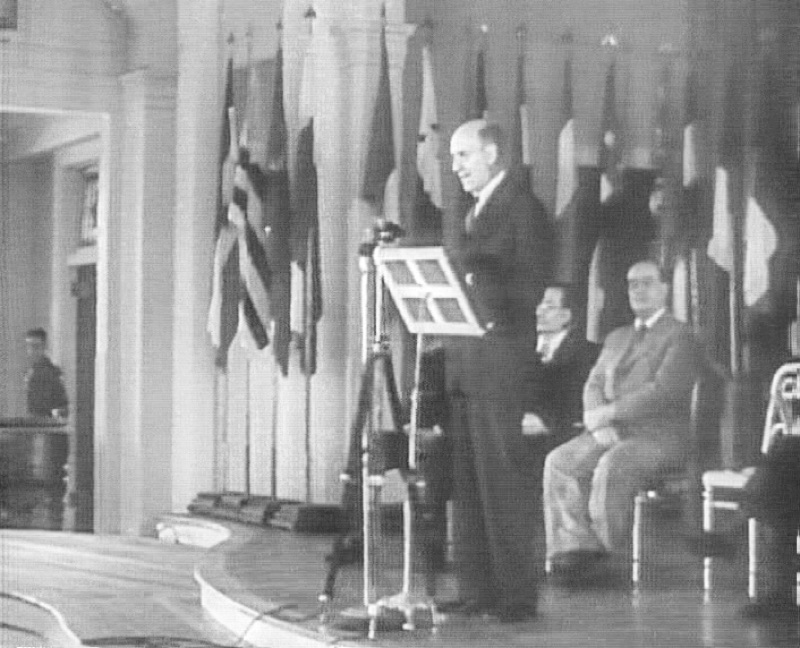
44 nations adopt rules built on White's and Keynes's plans.
1994
$617 million
ten licences, 47 rounds
FCC's first auction, on rules economists proposed.
Each has a birth date and an author. None of them was always there.
Kroll · Kostylo · Sangster · Westfries Archief · Chaplin · FCC 97-353
ACT FIVE · BARCELONA
Some of it grew and some of it was drawn, like Barcelona.
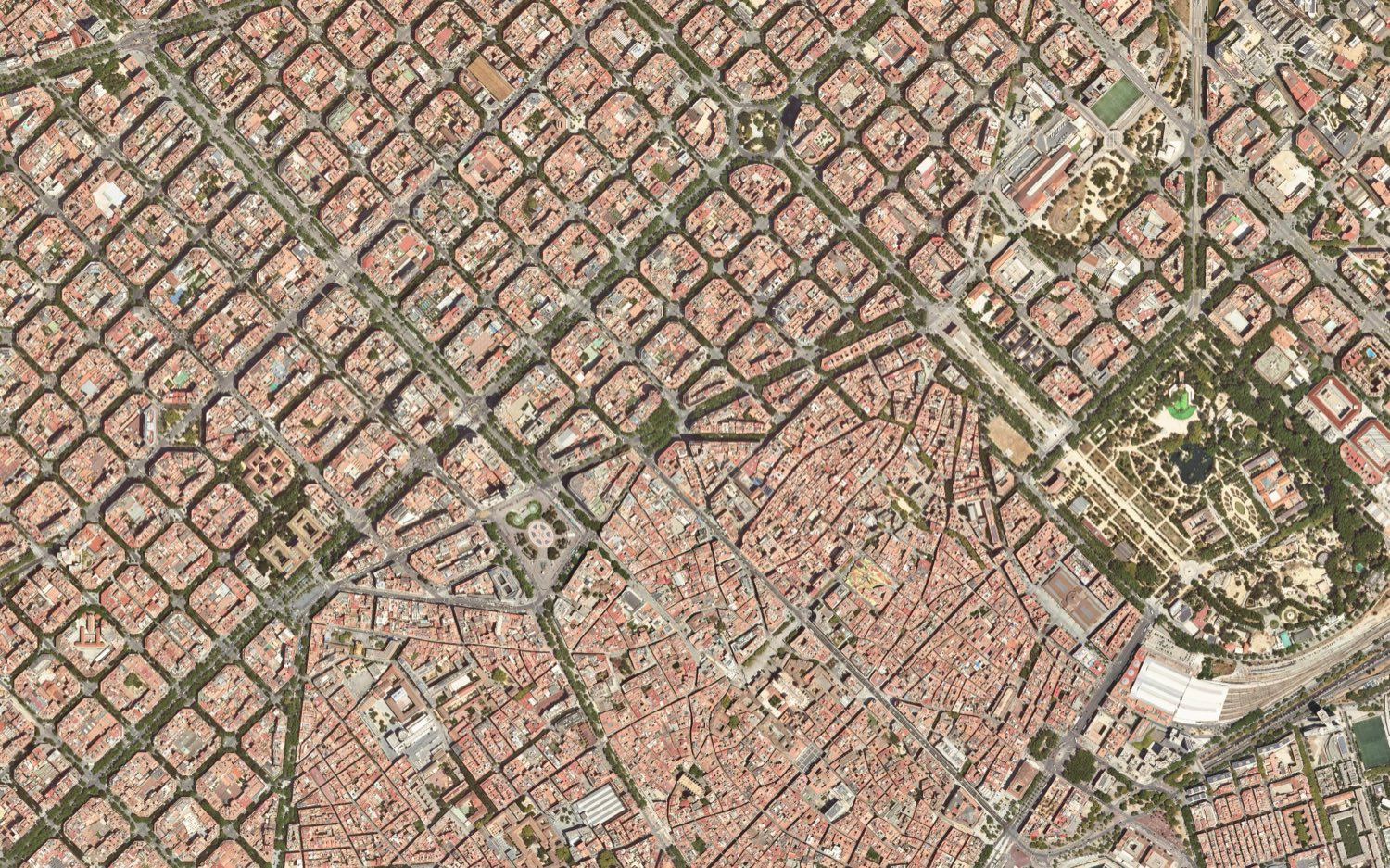
Every step and every movement of the multitude, even in what are termed enlightened ages, are made with equal blindness to the future, and nations stumble upon establishments, which are indeed the result of human action, but not the execution of any human design.
The economy has both: markets nobody planned, and firms planned inside.
Part of it was drawn by someone. Part of it nobody drew.
Ferguson 1767 · Coase, Economica, 1937 · Simon, J. Econ. Perspectives, 1991
ACT FIVE · THE THESIS
Capitalism is architecture, not nature.
- These stay, whatever we writescarcity, time, energy, uncertainty
- These are the part we wroteownership, accounting, market design, contracts, settlement
Architecture has constraints and consequences. It also has a design space.
Factor 11 · knowledgecapitalism.com/blog/11-coordination-mechanisms
CLOSE · WHAT WE FOUND
Capital remembers, markets compute, and people built both.
-
What is capital?
A record of the past that changes what its holder can do next.
-
What is a market?
Rules that turn many separate acts into prices, using knowledge nobody holds whole.
-
Where does knowledge fit?
People act on it, the rules are made of it, and capital scores it badly.
-
So what is capitalism?
Mechanisms people built, at dates we can name. Architecture, not nature.
Next week: what knowledge and technology change, and how these mechanisms get built.
Factors 11 and 12 · knowledgecapitalism.com
APPENDIX · JANUARY 1986
On the day of the Challenger accident one contractor's shares fell far further.
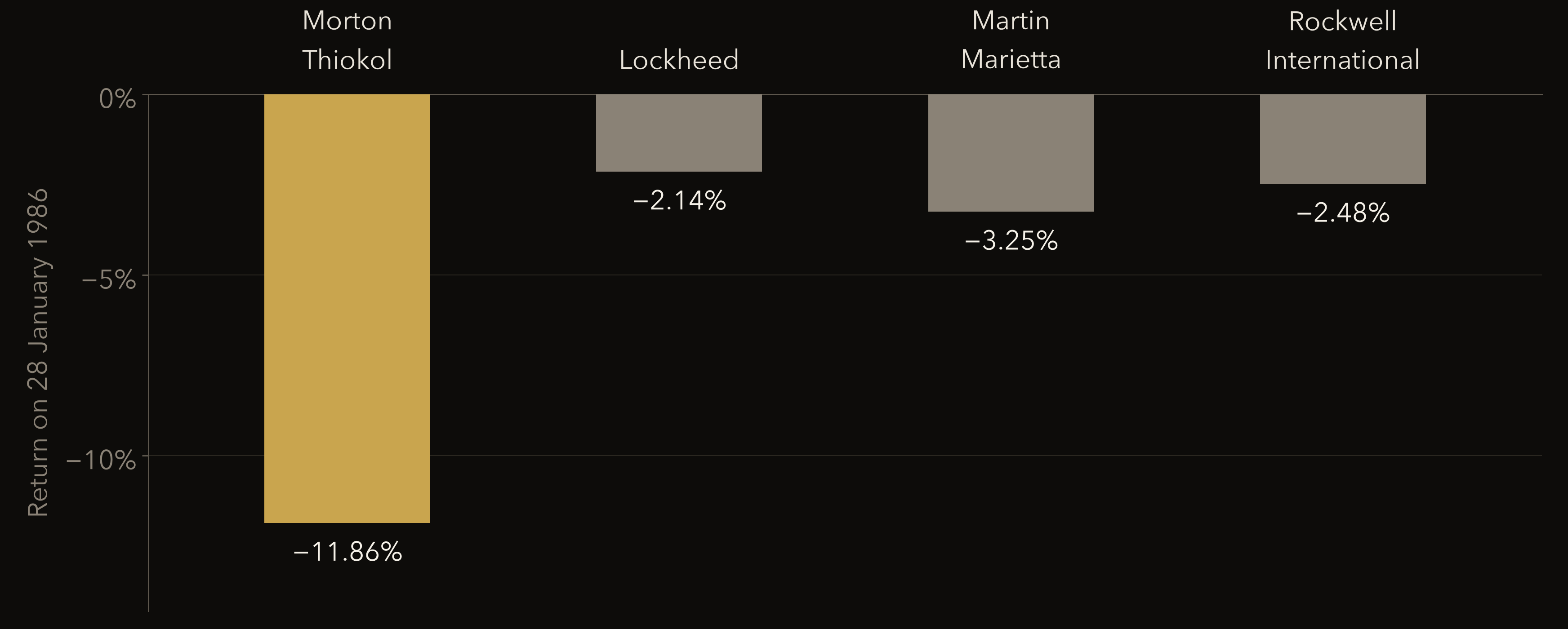
- Morton Thiokol closed down 11.86%.The other three: 2.14% to 3.25%.
- The inquiry named its O-ring seals.Rogers Commission, June 1986.
- Who informed the price.No insider trades that day.
The price moved. It did not say why, and nobody has shown who knew.
M. Maloney and J. H. Mulherin, Journal of Corporate Finance 9, 2003, Table 1
APPENDIX · THE CASES
What each real case supports, and what it does not.
- Passbook, 1917–22. A balance is a record; each row is an act and a new record. Not: that all money is a bank record.
- Cash, 10.2% of M2. Most dollars are balances. Not: that cash is vanishing; 6.6% to 11.3% since 1959.
- Yap. Furness, 1910: stones changed owners without moving. Not: Friedman's Federal Reserve parallel, which is his telling.
- Appraisal form. One document holds building, claim and number. Not: a real appraisal; the form is blank.
- House prices and cash-outs. They rose together to 2005–06. Not: cause, from this chart alone.
- Credit score. Five published shares of importance; introduced 1989. Not: the formula, which is proprietary.
- Florence. 40.1% against 33.3% by chance, matched by surname. Not: “the same families still rule”.
- Hayek, 1945. Knowledge is dispersed; prices coordinate without a planner. Not: that prices are always right.
- Frost, 1975. Arabica rose 5.7 times in 22 months, nominal. Not: that the frost alone did it; it explains part.
- Coffee houses; March 2020. Markets outlived their rooms. Not: that the Tontine was the brokers' first home.
- Buttonwood, 1792. A two-rule agreement. Not: “24 signed that day”; 22 did, two names came later.
- Smith, 1962. Curves hidden, bids public, prices settled near $2.00. Not: a general law; one test.
- Coffee chain photographs. Real stages of the chain. Not: one cup's journey; different places and years.
- Store counts. 17 at fiscal year-end 1987, 40,990 in 2025. Not: the count at the 1987 purchase.
- Telephone, 1876. Two descriptions reached the Patent Office the same day. Not: that a filing rule decided it.
- Ideas in investment. 8.1% in 1947, 39.7% in 2026 (BEA). Not: the “90% of market value” estimate.
- Three flows. A lens from The Last Economy, ch. 9. Not: a theorem about economies.
- Oklahoma. One homestead law, three allocation rules. Not: the same parcel three times.
- eBay and Amazon. 37% against 0.4% with a last-minute bid. Not: an experiment; people chose their site.
- Dated institutions. Each has a first documented instance. Not: that one person invented any of them.
- Barcelona. Old town grown, Eixample drawn by Cerdà, 1859. Not: that the economy has one architect.
- Challenger. One contractor closed down 11.86%. Not: that the market “knew”; the authors say “seemingly”.
A card to photograph, not a slide to read.
Sources and page references: the research sections behind analysis 25
APPENDIX · CREDITS
Every image, its source, and its licence.
- Passbook, 1917–22. Market Exchange Bank Co.; Columbus Metropolitan Library, via DPLA. Public domain. Shown whole and as a detail.
- Stone money of Yap, 1903. W. H. Furness 3rd; Univ. of Pennsylvania Transactions, 1904. Public domain. Cropped.
- Appraisal form. Fannie Mae Form 1004 / Freddie Mac Form 70, 2005. Field labels transcribed; no image of the form is shown.
- Florence, “Chain Map” woodcut. Staatliche Museen zu Berlin, Kupferstichkabinett / Jörg P. Anders. Public domain.
- Friedrich Hayek, 1981. LSE Library. No known copyright restrictions.
- Jonathan's Coffee House, 1763. After J. H. O'Neale; British Museum. Public domain.
- Chicago Board of Trade, c. 1905. Detroit Publishing Co.; Library of Congress. No known restrictions.
- NYSE ticker control station, 1922. Library of Congress. Public domain.
- Buttonwood Agreement on display, 2026. TiffaniB2k3, Wikimedia Commons. CC BY-SA 4.0. Shown whole and cropped.
- NYSE floor, 26 Sep 1963. Thomas J. O'Halloran; Library of Congress. Public domain. Cropped.
- Cup, Café Butter, Berlin, 2019. Edward, Wikimedia Commons. CC0. Cropped.
- Coffee pickers, Laos, 2012. Thomas Schoch, Wikimedia Commons. CC BY-SA 3.0. Cropped.
- Loading coffee at Santos, 1914. Keystone View Co.; Library of Congress. No known restrictions. Cropped.
- Roasting samples, 2023. Nachotacl, Wikimedia Commons. CC BY-SA 4.0. Cropped.
- Espresso machine, US patent 726,793, 1903. Luigi Bezzera; Google Patents. Public domain.
- Telephone, US patent 174,465, 1876. U.S. National Archives. Public domain.
- $1 Federal Reserve Note, 1963, specimen. U.S. Currency Education Program. One side, enlarged (31 CFR 411.1).
- Registration booths, Orlando, 1893. U.S. National Archives. Public domain.
- Registration at Fort Sill, 1901. George A. Addison; Missouri History Museum. Public domain.
- Lydian electrum coin. ArchaiOptix, Wikimedia Commons. CC BY-SA 4.0. Cropped.
- Venetian patent statute, 1474. Archivio di Stato di Venezia. Public domain. Cropped.
- Pacioli, Summa, 1494. Smithsonian Libraries. Not in copyright. Cropped.
- VOC receipt, 1606. Westfries Archief. Public domain. Cropped.
- Limited Liability Act, 1855. Annotated edition, via Internet Archive. Public domain. Cropped.
- Bretton Woods opening, 1944. U.S. National Archives, RG 208. Public domain. Cropped.
- Barcelona orthophoto, 2025. Institut Cartogràfic i Geològic de Catalunya. CC BY 4.0. Cropped; outlines added.
- Charts. Drawn for this talk from World Bank, Federal Reserve, BEA and company filings, and from the four cited papers.
- CC BY-SA images are cropped but not otherwise altered. Licence texts: creativecommons.org/licenses.
Every image here is open, and credited as its licence asks.
Full provenance: visual-assets/MANIFEST.md